

Getting started with outdoor recreation does not require spending thousands of dollars on high-end mountaineering equipment. Many newcomers assume they need ultralight titanium gadgets and premium expedition brands just to enjoy a weekend at a local state park. The truth is quite the opposite. Finding the best camping gear for beginners on a budget allows you to enjoy peaceful nights under the pines without emptying your savings account. With a focus on durability, comfort, and essential utility, you can assemble a dependable outdoor kit that lasts for years. Here is your comprehensive guide to affordable camping gear that delivers exceptional value in the wilderness.

Essential Budget Shelter: Finding the Right Tent
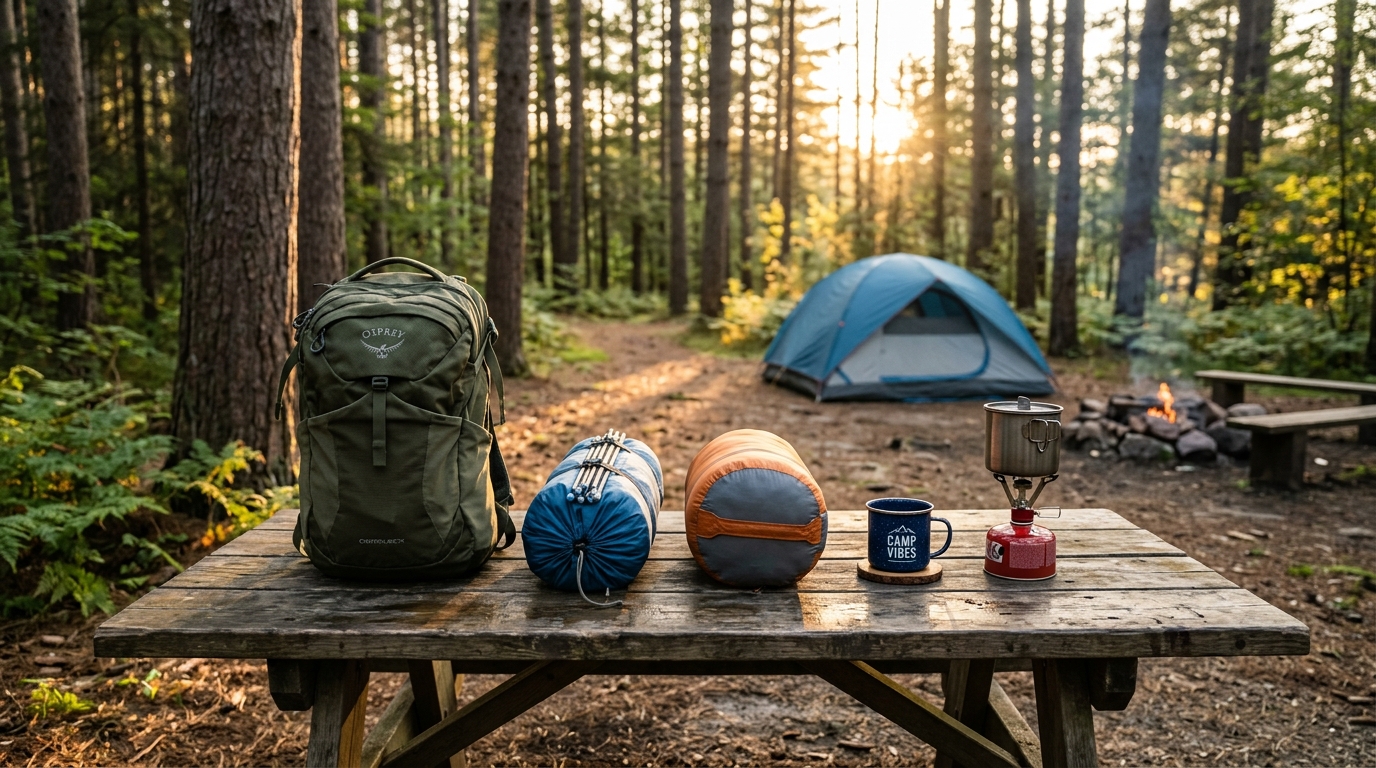
Your shelter is your home away from home, protecting you from wind, rain, and insects. When shopping on a budget, look for classic freestanding dome tents made by reputable entry-level outdoor brands. These designs have been refined over decades to offer excellent weather resistance at accessible price points.
A good rule of thumb for beginners is to choose a tent rated for one person more than your actual group size. A three-person tent gives two adults plenty of elbow room to change clothes and keep backpacks dry. Look for durable fiberglass poles, taped waterproof seams, and a rainfly that extends close to the ground. Avoid single-wall festival shelters, as they lack proper ventilation and allow interior condensation to build up quickly.
- Prioritize tents featuring a full-coverage waterproof rainfly with taped bathtub floor seams.
- Look for models that include a vestibule area outside the zipper door to store muddy boots.
- Aluminum stakes are inexpensive upgrades if your budget tent comes with basic steel wire pegs.
Affordable Sleep Systems: Warmth and Cushioning
A bad night of sleep can ruin an otherwise wonderful weekend in nature. Your sleep system consists of two critical elements working together: your sleeping bag and your sleeping pad. Many beginners make the mistake of investing in a warm sleeping bag while completely ignoring the pad beneath them.
When searching for the best camping gear for beginners on a budget, synthetic sleeping bags offer the greatest value. Unlike expensive down insulation, synthetic polyester fills retain warmth even if damp and dry quickly in the sun. A bag rated for thirty degrees Fahrenheit provides versatile comfort for spring, summer, and autumn car camping.
Never sleep directly on the cold ground. Soil leaches heat away from your body through conduction much faster than cold air. A closed-cell foam pad or an entry-level self-inflating foam pad creates an insulating thermal barrier. Closed-cell foam pads are virtually indestructible, require zero inflation, and cost a fraction of high-end air mattresses.
Camp Cooking Essentials Without High Price Tags
Cooking delicious meals outdoors is one of the most rewarding parts of camping. Fortunately, you do not need an elaborate mobile kitchen to prepare hearty dinners after a long day of hiking.
A classic two-burner propane camp stove remains the gold standard for budget-conscious campers. These sturdy metal stoves accommodate standard household frying pans and boil water rapidly. If you prefer solo backpacking, small canister screw-on stoves cost very little and boil a cup of water in just three minutes.
- Bring durable cast iron skillets or inexpensive stainless steel pots from home rather than buying specialty titanium cookware.
- Use reusable plastic food storage containers and basic bamboo cutlery instead of single-use paper plates.
- Pack an affordable thirty-quart hard-sided cooler loaded with block ice to keep perishables fresh all weekend long.
- Carry a simple multi-tool featuring a bottle opener, knife blade, and small can opener.
Budget Camping Gear Cost Breakdown
| Gear Category | Recommended Budget Pick | Where to Save |
|---|---|---|
| Shelter | 3-Person Dome Tent with Full Rainfly | Use DIY tarp footprint instead of branded ground cloth. |
| Sleeping Bag | 30°F Synthetic Mummy/Rectangular Bag | Synthetic insulation performs reliably for a fraction of down. |
| Sleeping Pad | Closed-Cell Foam Pad (R-Value 2.0+) | Indestructible foam avoids puncture leaks of expensive air pads. |
| Lighting | 300-Lumen LED Headlamp | Standard AAA-powered models cost significantly less. |
| Cookware | Home Cast Iron Skillet / Camp Stove | Repurpose kitchen pans; avoid expensive specialty titanium. |
Reliable Illumination and Safety Gear
Once the sun sets behind the tree line, the wilderness gets remarkably dark. Navigating camp, finding the restroom, or preparing late-night snacks requires hands-free illumination. Every beginner should pack a reliable headlamp.
Modern LED headlamps powered by rechargeable batteries or standard AAA cells provide hours of bright illumination. Look for headlamps with multiple brightness settings and a red-light mode. The red beam preserves your natural night vision and prevents blinding your campmates during conversations around the picnic table. In addition, pack a compact battery-powered lantern to hang from your tent ceiling loops.
Practical Tips for Budget-Conscious Campers
Assembling the best camping gear for beginners on a budget is about smart resourcefulness. Keep these practical tips in mind as you build your outdoor gear collection:
- Raid Your Home Kitchen and Closet First: You do not need camping-specific spatulas, blankets, or pillows. Use fleece blankets and home kitchen tools to save money on your first few trips.
- Shop Off-Season and Holiday Sales: Major outdoor retailers offer steep discounts on camping essentials at the end of summer and during holiday clearance sales.
- Borrow or Rent Before Buying: Many local parks departments and gear co-ops rent complete camping kits for modest daily fees, allowing you to test equipment before purchasing.
- Inspect Garage Sales and Secondhand Outlets: Sturdy camp stoves, coolers, and folding chairs can often be purchased gently used at a fraction of their original retail price.
- Take Care of Your Equipment: Clean, air-dry, and store your tent, sleeping bag, and stove in a dry closet after every trip to maximize their working lifespan.
Frequently Asked Questions
Is cheap camping gear safe for bad weather?
Yes, as long as you choose gear with solid fundamentals. A budget tent with taped seams, a sturdy bathtub floor, and a full-coverage rainfly will keep you just as dry in a downpour as an expensive expedition tent. Always seal seams and test your setup in the yard before your trip.
Can I use regular home blankets instead of a sleeping bag?
For warm summer car camping, thick wool and fleece blankets from home work wonderfully. However, in temperatures dipping below fifty degrees, a hooded synthetic sleeping bag traps body heat far more efficiently than loose blankets.


Five Expensive Gear Traps Beginners Should Avoid
When shopping for outdoor equipment for the first time, it is easy to get influenced by social media influencers showcasing high-end mountaineering brands. However, extreme alpine gear is designed for Mount Everest expeditions, not weekend trips to national parks. Here are five costly gear traps you can safely skip as a beginner:
- Ultralight Titanium Cookware: A three-piece titanium cookset often costs upwards of eighty dollars. An inexpensive ten-dollar hard-anodized aluminum pot or simple stainless steel mess kit performs just as well and conducts heat more evenly without burning your camp meals.
- Overpriced Technical Water Bottles: Designer outdoor water bottles frequently sell for thirty to forty dollars. In reality, standard one-liter polyethylene bottles from the grocery store cost under two dollars, weigh significantly less, and fit perfectly into pack pockets.
- Multi-Tool Overkill: Massive 20-in-1 multi-tools are heavy, bulky, and cost over a hundred dollars. For weekend camping, a simple locking pocket knife with a sharp blade and a small pair of folding scissors handles ninety-nine percent of camp chores.
- High-End GPS Handheld Navigators: Dedicated satellite navigators cost several hundred dollars plus monthly subscription fees. For designated state and national park trails, free offline smartphone maps paired with a five-dollar baseplate compass provide more than enough navigation safety.
- Specialized Camp Clothing: You do not need to buy two-hundred-dollar technical outdoor shirts. Any synthetic athletic gym shirt or polyester fleece sweatshirt already sitting in your closet will keep you warm, wick sweat, and dry quickly on the trail.
Smart Storage and Maintenance to Make Budget Gear Last
Budget outdoor gear will last for dozens of camping seasons if you take good care of it between trips. Always rinse off mud from tent stakes and boot soles before packing them away. Never store damp equipment inside closed storage bins or damp basements where mildew can weaken fabrics. Hang your sleeping bag loosely in a dry closet, air out your tent canopy thoroughly after every rainy outing, and wipe down your camp stove burners with a soft cloth.
Start Your Outdoor Journey Today
Camping should be an inclusive, joyful pastime accessible to everyone who loves fresh air and open skies. By prioritizing the best camping gear for beginners on a budget, you can experience the beauty of pristine forests, calm lakes, and crackling campfires without unnecessary financial strain. Start with the core essentials: a dependable dome tent, a cozy synthetic sleeping bag, an insulating ground pad, and a sturdy headlamp. Gather your gear, choose a scenic campsite nearby, and embark on a memorable outdoor adventure this weekend!
For official park guidelines and wilderness safety bulletins, refer to the U.S. Forest Service outdoor recreation recommendations.