

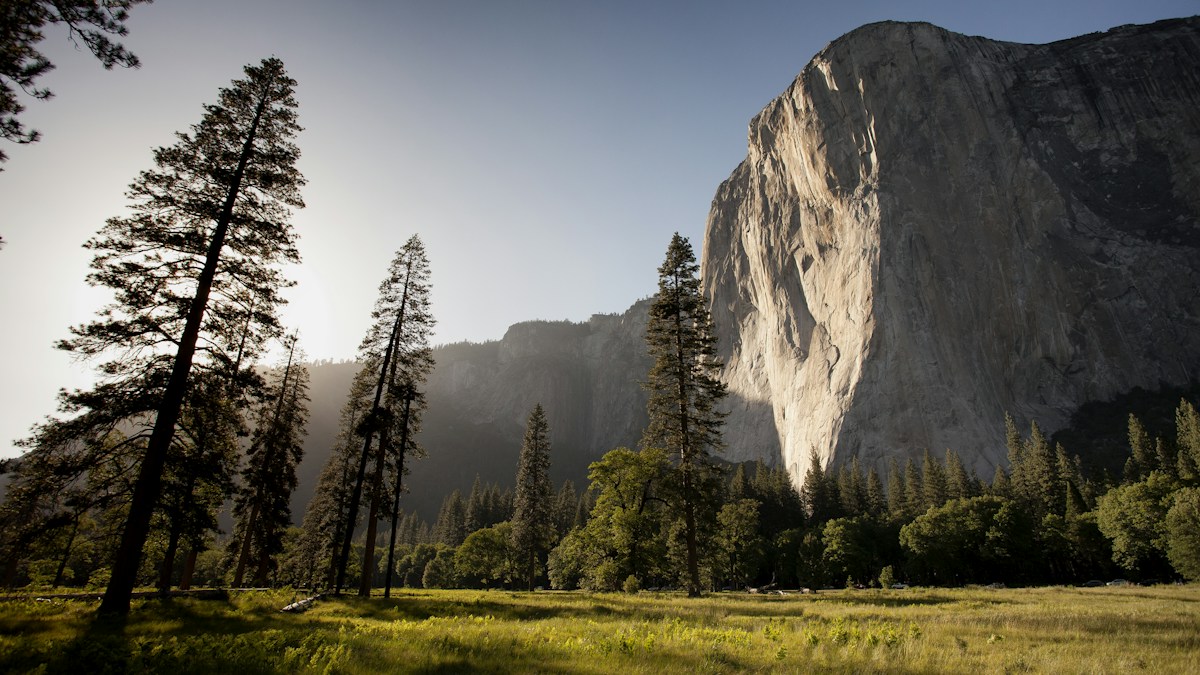
Every time we step foot into an ancient pine forest, explore a pristine alpine lake, or camp beneath desert mesas, we enter fragile wild ecosystems that took millennia to develop. As outdoor recreation grows in popularity across state parks and national public lands, preserving these shared natural treasures for future generations becomes a fundamental responsibility. Unfortunately, carelessly discarded food wrappers, scorched ground from unauthorized fires, and damaged vegetation can quickly degrade even the most remote backcountry sanctuaries. Having how to leave no trace while camping explained in straightforward, actionable principles empowers outdoor lovers of all skill levels to enjoy nature responsibly. By mastering the seven core outdoor ethics, you can ensure your wilderness adventures leave zero negative impact on the land.

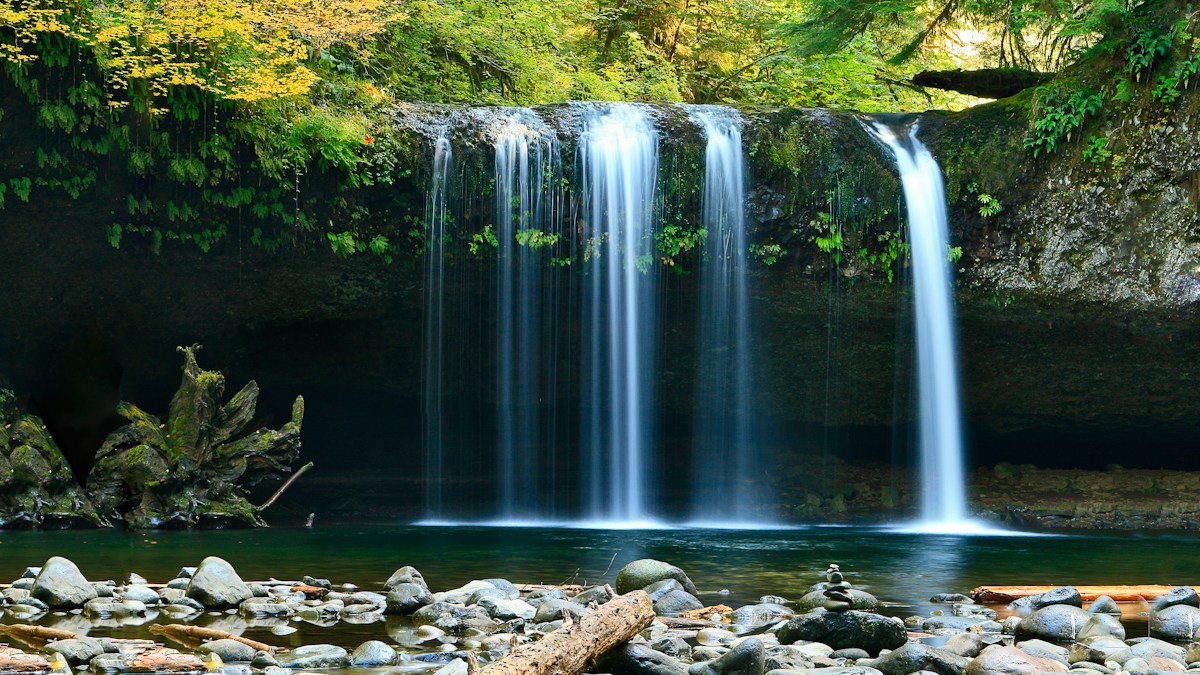
The Seven Core Principles of Leave No Trace
Developed in partnership with federal land management agencies and outdoor educators, the Seven Principles of Leave No Trace provide a practical conservation framework for all outdoor enthusiasts:
1. Plan Ahead and Prepare: Research trail regulations, seasonal fire restrictions, weather forecasts, and terrain conditions before departing. Pack appropriate clothing, maps, and supplies to avoid emergency situations that damage natural resources.
2. Travel and Camp on Durable Surfaces: In high-use areas, stick strictly to established trails and designated campsite pads. In pristine backcountry, disperse your impact by walking across durable surfaces like rock slabs, dry gravel bars, and established pine needle duff. Avoid trampling delicate meadows or wet soil that easily erodes.
3. Dispose of Waste Properly (Pack It In, Pack It Out): Never leave trash, food scraps, or personal hygiene items in the woods. Inspect your campsite thoroughly for micro-trash (candy wrappers, twist ties, apple cores) before heading home.
4. Leave What You Find: Preserve natural artifacts, wildflowers, historical relics, and colorful stones where you find them. Take photographs and leave the landscape completely intact for the next visitor.
5. Minimize Campfire Impacts: Use established metal fire rings wherever available. Keep fires small, burn only dead and downed wood collected from the forest floor, and extinguish embers completely to cold-out status.
6. Respect Wildlife: Observe animals from a safe distance through binoculars. Never feed wild animals, as human food habituates animals to campsites, degrades their natural foraging instincts, and leads to aggressive encounters.
7. Be Considerate of Other Visitors: Keep late-night conversations quiet, yield the trail to uphill hikers, and avoid playing loud portable music speakers in nature.
Leave No Trace Field Practice Guide
| Outdoor Activity | Best Ethical Practice | Habit to Eliminate |
|---|---|---|
| Human Sanitation | Dig cathole 6-8 inches deep in organic soil 200 ft from water. | Leaving surface waste or toilet paper under stones. |
| Dishwashing | Strain gray water; pack out food scraps; scatter wash water. | Washing soapy pans directly inside running streams. |
| Campfire Building | Use established rings; burn wood to fine white ash. | Chopping live tree limbs; leaving charred half-burnt logs. |
| Trail Travel | Walk single file in center of trail, even through mud. | Cutting switchbacks and widening trails through vegetation. |
Managing Camp Waste and Food Scraps
One of the most common misconceptions among beginner campers is that “natural” food scraps like banana peels, orange rinds, and apple cores are acceptable to discard in the woods. In reality, citrus peels and apple cores take up to two years to decompose in arid or high-altitude environments. More importantly, discarded food scraps attract wildlife to campsites, creating human-wildlife conflict.
Always carry a dedicated sealable trash bag inside your camp kit. When washing cookware, use a mesh sink strainer or bandanna to capture every grain of rice and noodle fragment. Dump those captured solids into your trash pouch, and broadcast the strained wash water across a wide patch of mineral soil.

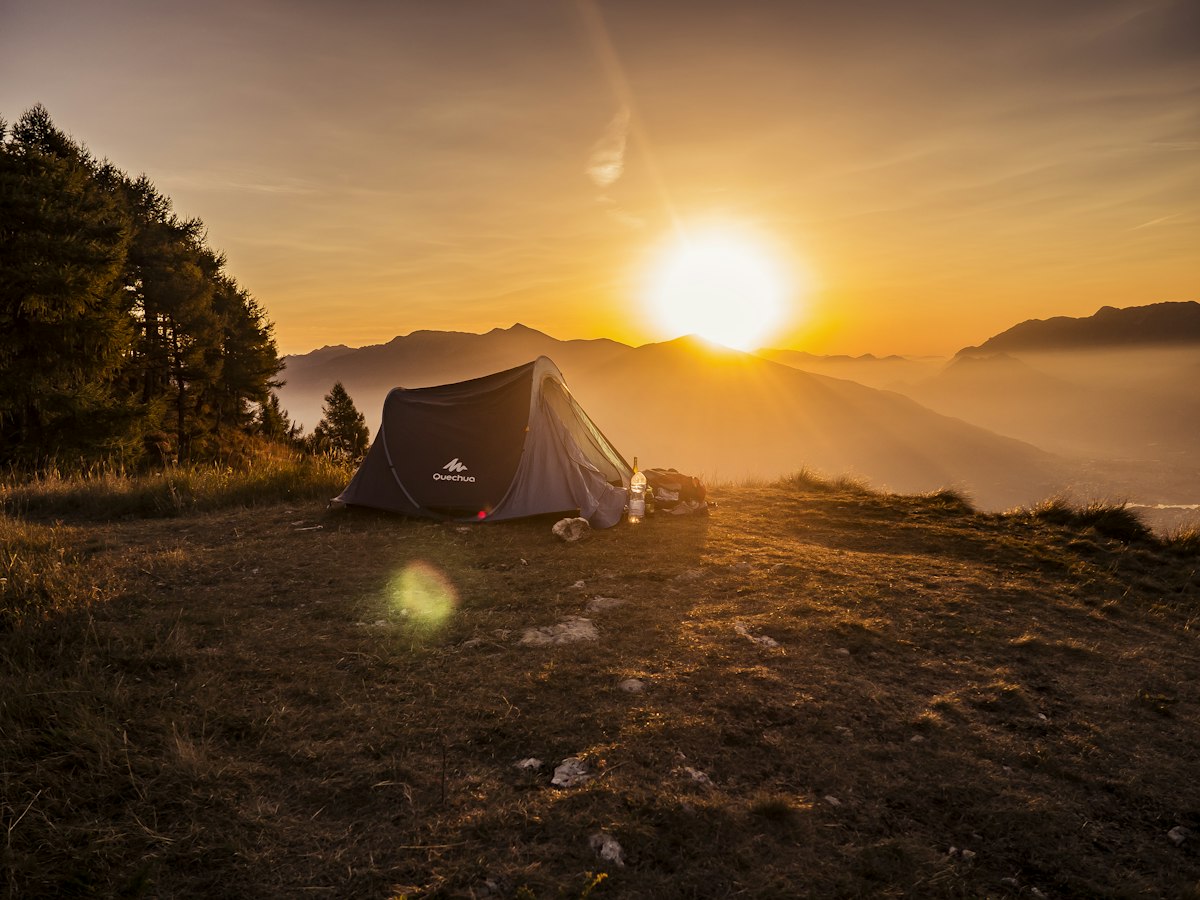
Handling Campfire Ash and Fire Ring Restoration
When packing up your campsite on the final morning, taking proper care of the fire ring is the ultimate mark of an ethical outdoor camper. After drowning your fire with water and confirming that every coal is cold to the touch, follow these restoration steps:
- Scatter Unburned Wood: If you gathered extra firewood branches that you did not burn, scatter them naturally throughout the surrounding forest floor so the campsite looks wild and natural.
- Clear Fire Pit Litter: Inspect the cold ashes for bottle caps, foil corners, or nails from scrap lumber. Remove all debris and pack it out in your trash pouch.
- Preserve Natural Stones: Never dismantle established historical stone fire rings, but also refrain from building new rings where one already exists.
Teaching Leave No Trace Ethics to Children
Camping with children is a wonderful opportunity to build lifelong conservation values. Turn Leave No Trace into fun games, such as holding a “micro-trash treasure hunt” before departing where kids search the ground for tiny candy wrappers or bread ties. Teach kids the “Rule of Thumb” for wildlife safety: hold your thumb up at arm’s length; if you cannot completely cover the animal with your thumb, you are too close!
Managing Camp Noise and Natural Soundscapes
Natural soundscapes—the gentle murmur of flowing streams, wind rustling through pine branches, and morning birdsong—are an integral part of the outdoor wilderness experience. Protecting these tranquil soundscapes requires mindful camper behavior:
- Leave Bluetooth Speakers at Home: While you may love music, other campers visit wild spaces to disconnect from modern noise. Use personal headphones if you wish to listen to music.
- Respect Campground Quiet Hours: Most established state and national parks enforce quiet hours between 10:00 PM and 6:00 AM. Lower conversation volume around the campfire so everyone enjoys a restorative night under the stars.
- Keep Vehicle Noise to a Minimum: Avoid slamming heavy car doors repeatedly late at night, and turn off vehicle headlights promptly when parked in crowded campground loops.
Frequently Asked Questions
Is biodegradable camp soap safe to use directly in a river?
No. Even biodegradable, organic camp soaps are toxic to aquatic organisms, fish gills, and delicate stream insects. Always carry wash water 200 feet away from rivers and streams so soil microbes can naturally filter and break down the soap before it reaches groundwater.
What is the proper way to dispose of toilet paper in the backcountry?
The gold standard of outdoor conservation is packing out all used toilet paper in a sealed opaque plastic bag. If burying toilet paper where regulations permit, use plain, unscented white toilet paper buried deeply inside a 6-to-8-inch cathole.
Protect the Wild Spaces We Love
Understanding how to leave no trace while camping explained is not a set of rigid restrictions; it is an empowering code of outdoor respect that ensures our wilderness remains clean, wild, and beautiful for generations to come. When you pack out all trash, respect forest wildlife, and camp only on durable surfaces, you leave the campsite in better condition than you found it. Step lightly, treasure the silence of the woods, and enjoy unforgettable, ethical wilderness adventures!
For official park guidelines and wilderness safety bulletins, refer to the Leave No Trace Center for Outdoor Ethics official principles.