

After a full day of hiking mountain trails and exploring scenic landscapes, nothing tastes quite as rewarding as a hot, satisfying dinner around camp. Yet many beginner campers feel overwhelmed by outdoor cooking, packing heavy coolers, bulky cast iron skillets, and complicated ingredients that spoil quickly in warm weather. Great camp food does not require chef-level skills or an overloaded backpack. Finding the best lightweight camping meals easy to cook allows you to refuel your body with delicious, high-energy nutrition using minimal cookware and cleanup. Whether you are car camping at a state park or trekking into the backcountry, here are simple, hearty meals and smart prep routines that make outdoor dining a breeze.

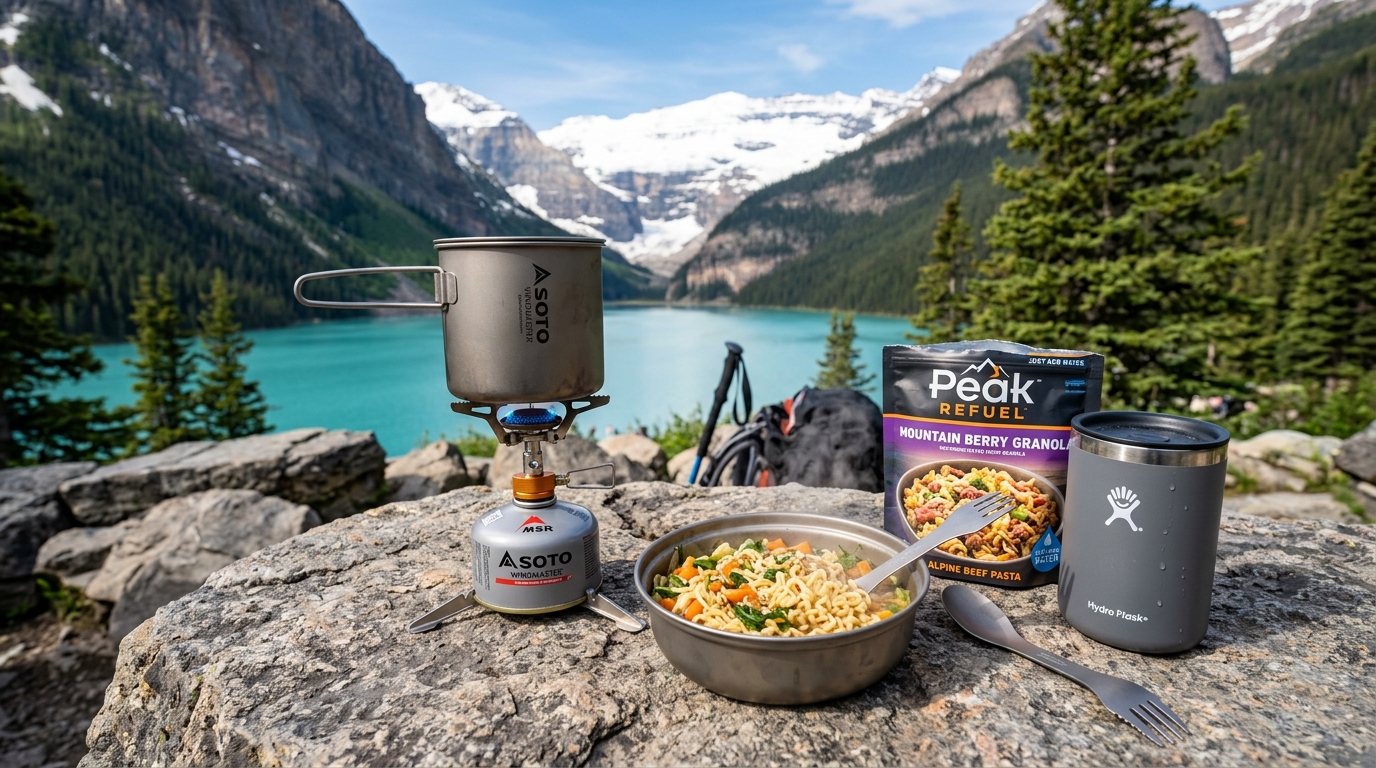
The Golden Rules of Lightweight Camp Cooking
Cooking in the outdoors is fundamentally different from preparing a meal in a modern kitchen. You have limited fuel, no running tap water for endless scrubbing, and strict pack weight limits. Successful camp cooking relies on three core principles: low water requirements, quick boiling times, and minimal cleanup.
Avoid ingredients that require twenty to thirty minutes of continuous boiling, such as thick dried beans or raw brown rice. Simmering for half an hour quickly drains your compact isobutane fuel canisters. Instead, focus on ingredients that rehydrate quickly with boiled water, such as couscous, instant ramen noodles, dehydrated mashed potatoes, and precooked pouches of chicken or tuna.
Always prioritize calorie density. Active outdoor days burn thousands of calories. Packing foods rich in healthy fats, nuts, seeds, and dried cheeses delivers maximum fuel per ounce carried in your bag.
Top 5 Quick & Easy Lightweight Camping Meals
| Meal Name | Cook Time | Core Ingredients | Calories / Serv. |
|---|---|---|---|
| Loaded Camp Ramen | 5 minutes | Ramen noodles, peanut butter packet, soy sauce, pouch chicken. | ~620 kcal |
| Shepherd’s Potato Bowl | 4 minutes | Instant mashed potatoes, bacon bits, cheddar cheese, gravy packet. | ~580 kcal |
| Mediterranean Couscous | 6 minutes | Instant couscous, sun-dried tomatoes, olive oil, pine nuts, tuna. | ~650 kcal |
| Campfire Cheesy Mac | 8 minutes | Quick macaroni, powdered cheese blend, foil packet spam or tuna. | ~590 kcal |
| Sweet Power Oatmeal | 3 minutes | Rolled quick oats, chia seeds, dried cranberries, powdered milk, honey. | ~510 kcal |
Detailed Recipes: 3 Beginner Trail Favorites
When selecting the best lightweight camping meals easy to cook, these three recipes require nothing more than a small cook pot and a single burner stove:
1. Upgraded Thai Style Peanut Ramen
Instant ramen is a staple among outdoor enthusiasts, but you can turn a basic fifty-cent packet into a creamy, gourmet trail meal. Bring two cups of water to a rolling boil in your lightweight pot. Drop in the ramen noodles and vegetable flakes, cooking for three minutes. Turn off the stove burner. Stir in half of the seasoning packet, a single-serve squeeze packet of peanut butter, a dash of soy sauce, and a squeeze packet of lime juice. Stir until silky and thick, then top with roasted crushed peanuts and chunk chicken.
2. Fast Campfire Mashed Potato Feasts
Dehydrated potato flakes rehydrate instantly without requiring active cooking. Boil one and a half cups of water with a pinch of salt. Remove the pot from the heat source and stir in one pouch of flavored instant potatoes (garlic herb or loaded bacon varieties work wonderfully). Fold in real bacon bits, shredded sharp cheddar cheese, and a tablespoon of butter powder or olive oil. It is warm, comforting, and ready in ninety seconds.

3. Sun-Dried Tomato and Olive Oil Couscous
Couscous is one of the easiest grains to prepare in camp because it does not require continuous boiling. Bring one cup of water to a boil, stir in one cup of dry couscous, cover the pot with its lid, and take it off the heat. Let it steam undisturbed for five minutes. Fluff with a camp spork and drizzle with extra virgin olive oil. Add chopped sun-dried tomatoes, diced salami or pouch salmon, and Italian herb seasoning for a fragrant, Mediterranean trail dinner.
Essential Camp Kitchen Cleanup and Leave No Trace
Cleaning cookware in nature requires smart habits to protect water sources and keep wildlife away from your sleeping quarters:
- Scrape Every Crumb: Eat every bit of food from your cook pot. Leaving leftovers creates smelly trash that attracts mice, raccoons, and bears.
- The Hot Water Swirl: After finishing dinner, pour a quarter cup of hot water into your pot, scrape down the sides with a silicone camp scraper, and drink the warm broth. This traditional camper trick leaves the pot virtually spotless.
- Wash 200 Feet from Water: Never wash dishes directly inside a lake, stream, or river. Carry wash water two hundred feet away and use biodegradable, unscented camp soap.
- Strain Gray Water: Pour dishwater through a small mesh strainer or bandanna to catch tiny food scraps. Pack those scraps out in your sealable trash bag, and broadcast the filtered gray water over a wide soil area.
Frequently Asked Questions
Are commercial freeze-dried meal pouches worth the cost?
Commercial freeze-dried pouches are extremely convenient, ultralight, and taste great. However, they typically cost twelve to sixteen dollars per meal. Making your own meals using grocery store staples like instant noodles, couscous, and pouch meats delivers identical nutritional value for less than three dollars per serving.
How much cooking fuel should I carry for a weekend trip?
A standard 100-gram (small) isobutane fuel canister generally boils about eight to ten liters of water. For a solo camper boiling water for breakfast coffee and dinner over a two-day weekend, one small canister is plenty.
Smart Camp Food Storage and Wildlife Protection
Cooking tasty meals in the woods means taking proactive measures to store your ingredients securely. Wilderness animals have an incredible sense of smell and will gladly investigate unsealed food pouches left unattended:
- The 100-Yard Triangle Rule: In backcountry camping, pitch your sleeping tent, prepare your food, and store your scented items at three separate points forming a triangle at least one hundred yards apart. This keeps lingering cooking aromas far away from your sleeping quarters.
- Never Eat Inside Your Sleeping Tent: Keep food wrappers, snacks, and sweet drinks strictly outside your tent canopy. Tiny crumbs on your sleeping mattress can invite mice, raccoons, or ants inside your shelter during the night.
- Use Scent-Proof Bags: Pack all spices, cheeses, dehydrated meals, and snack bars inside heavy-duty sealable odor-barrier bags. This drastically cuts down on aromatic trails that catch the attention of curious forest animals.
- Vehicle Trunk Storage: If you are car camping at a state park, keep your coolers, food bins, and cookware locked inside your car trunk with the windows fully rolled up whenever you are away from camp or sleeping.
Essential Spices and Condiments That Elevate Any Camp Meal
Lightweight food does not mean bland food. You can completely transform simple dehydrated meals by carrying a compact spice kit packed into miniature craft vials or pill organizers. Pack small quantities of garlic powder, crushed red pepper flakes, smoked sea salt, Italian oregano, and powdered hot sauce. Single-serve packets of soy sauce, honey, and olive oil add rich flavor and valuable healthy fats to dinners without taking up noticeable pack space.
Fuel Your Adventures with Great Camp Food
Enjoying hot, energizing food in the wilderness is one of the greatest highlights of camping. By practicing with the best lightweight camping meals easy to cook, you save significant pack weight, keep grocery costs low, and spend less time washing messy dishes and more time relaxing by the fire. Pack your favorite quick-boil ingredients, keep your camp kitchen organized, and savor every bite out in the great outdoors!
For official park guidelines and wilderness safety bulletins, refer to the Forest Service backcountry food storage rules.