

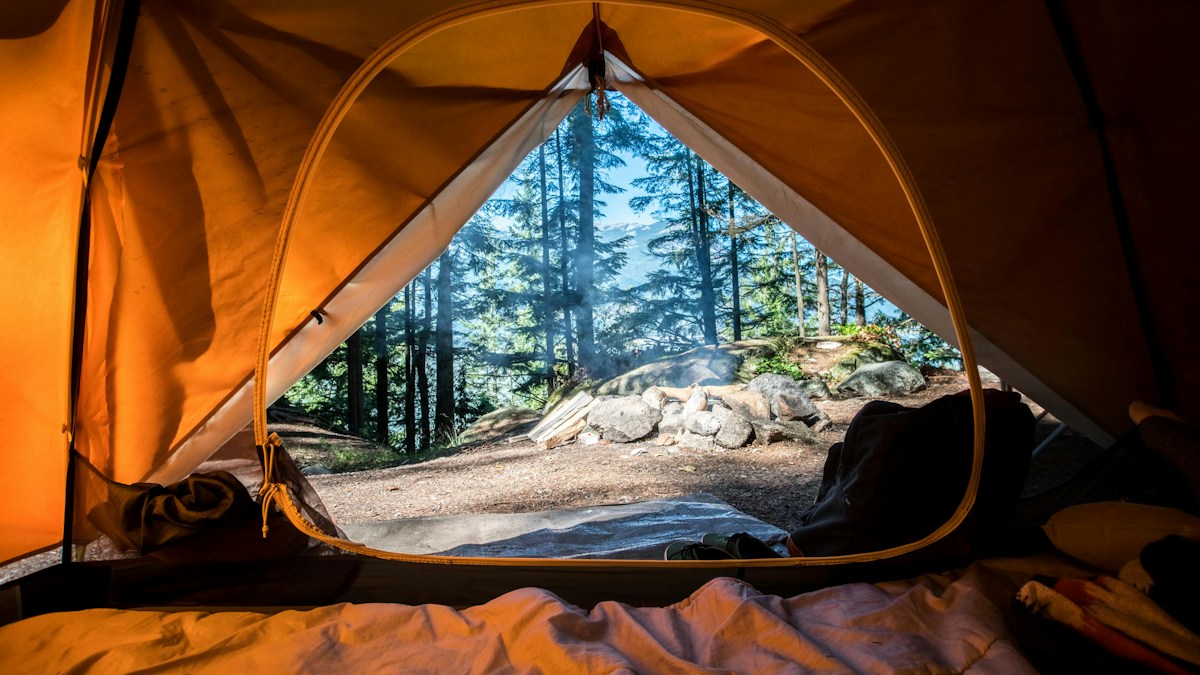
Rolling into a state park, national forest, or recreation area with a car loaded with camping gear is an exhilarating moment. But before you unpack a single duffel bag or assemble tent poles, you face an essential decision that will directly determine the quality of your entire trip: choosing where to pitch your shelter. A poorly chosen campsite can result in water flooding your tent floor during rain, relentless gusts keeping you awake all night, or falling tree limbs creating genuine hazards. Discovering how to find a good campsite for beginners is an art that combines terrain observation, weather awareness, and environmental ethics. Here is your practical outdoor guide to scouting the perfect camping spot for safety, privacy, and peaceful relaxation.

The Four Ws of Campsite Selection
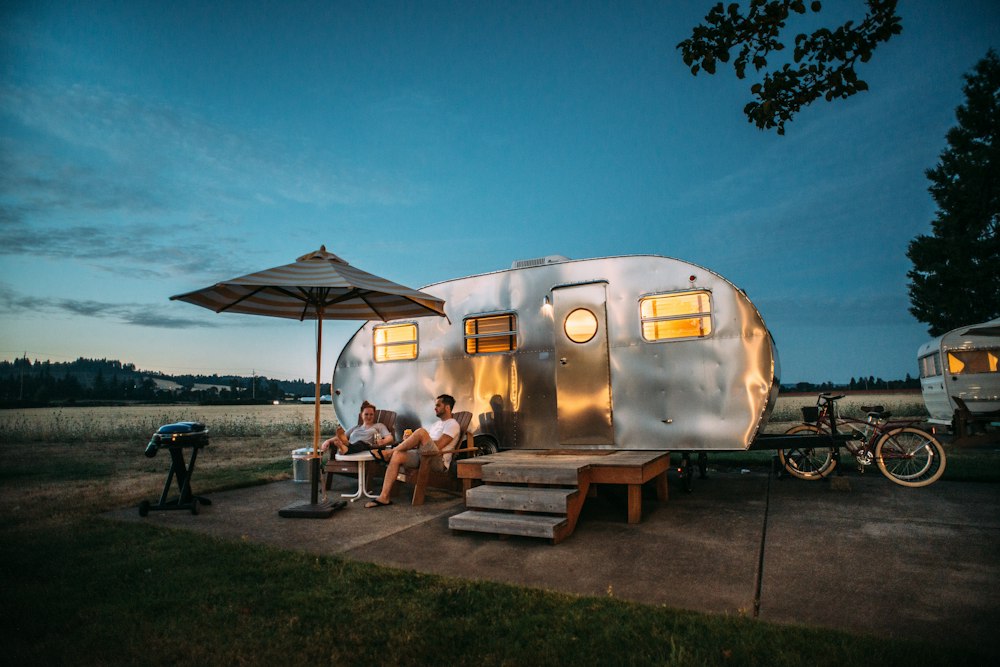
Outdoor educators and wilderness guides teach a time-tested memory framework known as the Four Ws when evaluating potential campsite spots: Wind, Water, Widowmakers, and Wildlife. Applying this framework takes less than three minutes and prevents the most common beginner camping mistakes:
1. Wind: Look at surrounding terrain and tree lines. Avoid exposed ridge tops, open bare knolls, and narrow wind tunnels where gusts can bend tent poles or noisy rainflies keep you awake. Choose sites sheltered by natural berms, boulder clusters, or dense stands of young, flexible trees.
2. Water: Pitch your shelter on high, elevated ground at least two hundred feet (seventy adult paces) away from lakes, rivers, and streams. Low-lying riverbanks are prone to flash flooding, accumulate heavy nighttime humidity that causes tent condensation, and act as natural highways for biting mosquitoes.
3. Widowmakers: Always look straight up into the forest canopy before unrolling your tent. “Widowmakers” are large dead branches, broken limbs caught in treetops, or dead standing trees (snags) that can fall suddenly in moderate wind gusts. Never pitch a shelter underneath dead timber.
4. Wildlife: Inspect the ground for animal tracks, scat, beehives, or nearby game trails. Avoid setting up camp directly beside obvious wildlife paths leading down to water sources.
Campsite Scouting Checklist: What to Look For
| Terrain Factor | Ideal Condition | Red Flag to Avoid |
|---|---|---|
| Ground Slope | Flat with subtle 1-2% gentle drainage pitch. | Steep slopes where you slide downhill all night. |
| Surface Material | Densely packed dirt, dry pine needles, gravel pad. | Dry cracked mud hollows, rocky roots, tall wetlands. |
| Overhead Canopy | Healthy, living green branches providing shade. | Dead hanging limbs, rotting trunks, beetle-killed pines. |
| Proximity to Water | 200+ feet away on elevated ground. | Direct waterline; marshy edges with heavy insect swarms. |
Evaluating Established Campgrounds vs. Dispersed Sites
When learning how to find a good campsite for beginners, understanding the difference between frontcountry established campgrounds and dispersed backcountry camping helps you set realistic expectations:
Frontcountry Established Campgrounds: State parks, national parks, and commercial campgrounds feature numbered campsites equipped with amenities like picnic tables, metal fire rings, drinking water spigots, and flush toilets. When booking an established site online, review park campground maps to choose sites away from high-traffic bathhouses or noisy dump stations while securing privacy buffered by trees.
Dispersed Forest Camping: On designated Bureau of Land Management (BLM) and US Forest Service lands, you can camp for free outside developed campgrounds. When camping dispersed, only use existing cleared turnouts where previous campers have established fire rings to avoid trampling virgin wilderness vegetation.

Preparing the Ground Before Pitching Your Tent
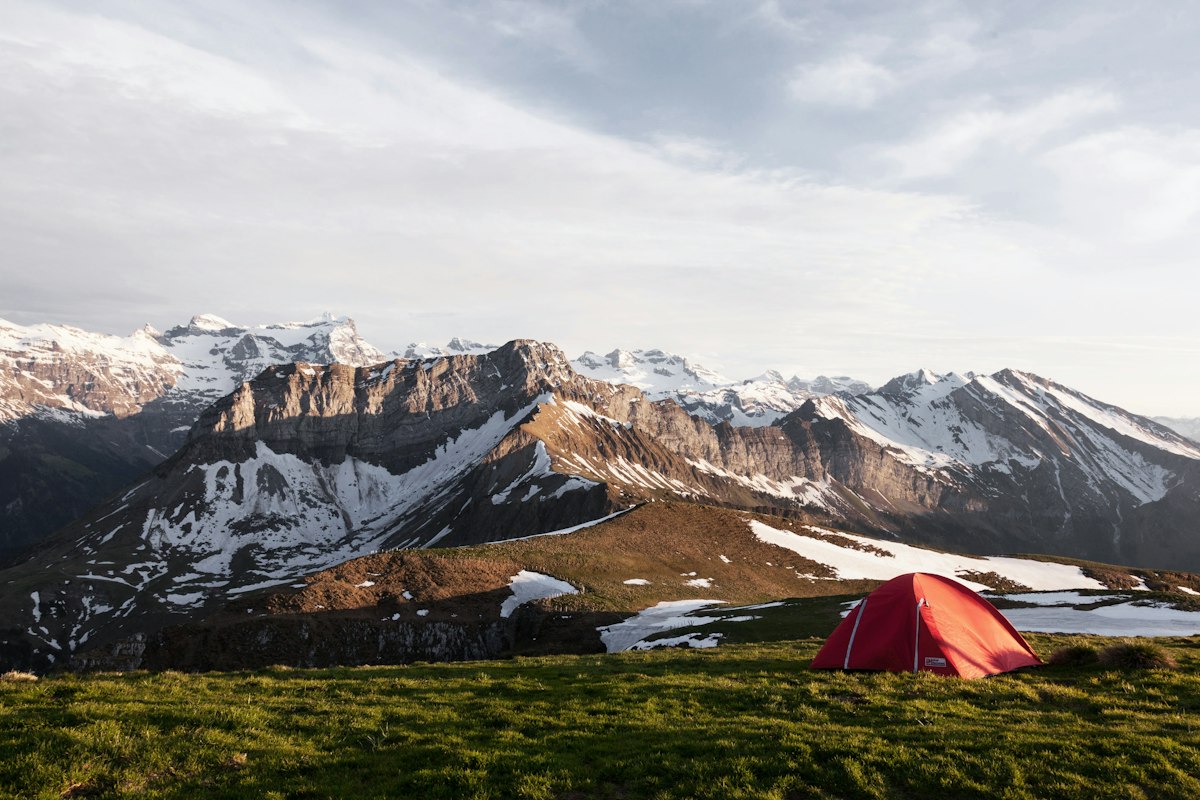
Once you identify the best patch of flat land, spend two minutes preparing the surface before rolling out your footprint:
- Clear Surface Debris: Kick away sharp stones, pine cones, and rigid twigs that could puncture your tent floor or dig into your back through your sleeping pad.
- Avoid Large Earth Modifications: Never dig trenches, chop tree roots, or build stone walls. Modifying the landscape damages natural root networks and accelerates erosion during storms.
- Lie Down to Test the Angle: Before driving corner stakes, lie down on your ground cloth. Ensure your head will rest slightly uphill from your feet; sleeping with your head downhill leads to morning headaches.
- Align Door Away from Prevailing Wind: Face your zippered tent doorway away from the incoming wind so gusts do not blow rain or dust directly inside when you open the flap.
Camp Layout: The Safe Triangle Configuration
Once you select your general campsite boundary, organizing where specific camp zones live keeps your site clean, safe, and pleasant throughout your stay. Guides recommend organizing camp into a three-point triangle:
- The Sleeping Zone: Place your tent on the most level, protected ground, well away from heavy foot traffic paths and vehicle parking pads.
- The Cooking & Dining Zone: Set up your camp stove, food preparation table, and cooler at least one hundred feet downwind from your sleeping quarters to prevent lingering food odors from attracting inquisitive forest critters to your tent.
- The Sanitation & Trash Station: Position your trash bag and wash basin on the third point of the triangle, keeping scented waste completely separate from bedding.
Weather Monitoring and Microclimate Awareness
Different natural features create microclimates that feel drastically different from the general weather forecast. Valley floors tend to accumulate heavy, cold air pockets and dense dew as night falls. Meanwhile, camping beneath dense evergreen groves retains daytime warmth and provides a natural wind buffer that keeps campers several degrees warmer.
Campsite Safety and Nighttime Navigation Tips
Before settling into your sleeping quarters for the night, take five minutes to orient yourself and your group to the immediate campsite surroundings:
- Identify Safe Walking Paths: Notice where roots, exposed rocks, and tent guylines cross the ground between your shelter and the vehicle or bathroom trail.
- Mark Low Guyline Cords: Tie small strips of white cloth, yellow ribbon, or reflective paracord onto low stakes so campers do not trip over cords during late-night bathroom trips.
- Keep Shoes and Headlamps Inside the Door: Always place your footwear and a headlamp right inside your zippered tent entrance where you can slip them on instantly without fumbling in the dark.
- Secure Loose Camp Furniture: Fold down camp chairs and lightweight shade canopies before going to sleep; sudden midnight wind gusts can blow unsecured furniture into fire pits or lakes.
Frequently Asked Questions
Can I camp anywhere I want in a National Forest?
Most National Forests allow dispersed camping within 150 feet of designated forest service roads, provided you are at least 200 feet from water sources and outside restricted day-use zones. Always check local ranger district guidelines for seasonal fire restrictions.
What should I do if the campground is completely full?
In peak summer seasons, reserve established sites months in advance through platforms like Recreation.gov. If arriving without reservations, look for first-come, first-served loops early in the morning between 9:00 AM and 11:00 AM when departing campers check out.
Secure Your Perfect Wilderness Sanctuary
Practicing how to find a good campsite for beginners transforms your camping trips into safe, comfortable retreats where you can unwind in complete harmony with nature. By applying the Four Ws, picking elevated flat ground with morning sun, and steering clear of overhead dead timber, you create an inviting outdoor home under the trees. Take your time scouting, pitch your shelter with care, and enjoy peaceful nights of restorative sleep in the great outdoors!
For official park guidelines and wilderness safety bulletins, refer to the Leave No Trace Center for Outdoor Ethics campsite guidelines.