


There is an old outdoor saying: there is no such thing as bad weather, only bad preparation. While sunny skies and dry pine needles make for easy camping, rain is an inevitable part of spending time in nature. The sound of gentle raindrops drumming on a tight nylon rainfly can be deeply relaxing, provided your gear is dry and your shelter is secure. However, without a clear plan, wet weather can quickly soak your clothes, dampen spirits, and turn a campsite into a muddy swamp. Knowing what to do if it rains while camping is what separates seasoned campers from frustrated beginners. With proactive site selection, smart tarp rigging, and disciplined moisture control, you can stay warm, dry, and thoroughly entertained throughout any wilderness storm.
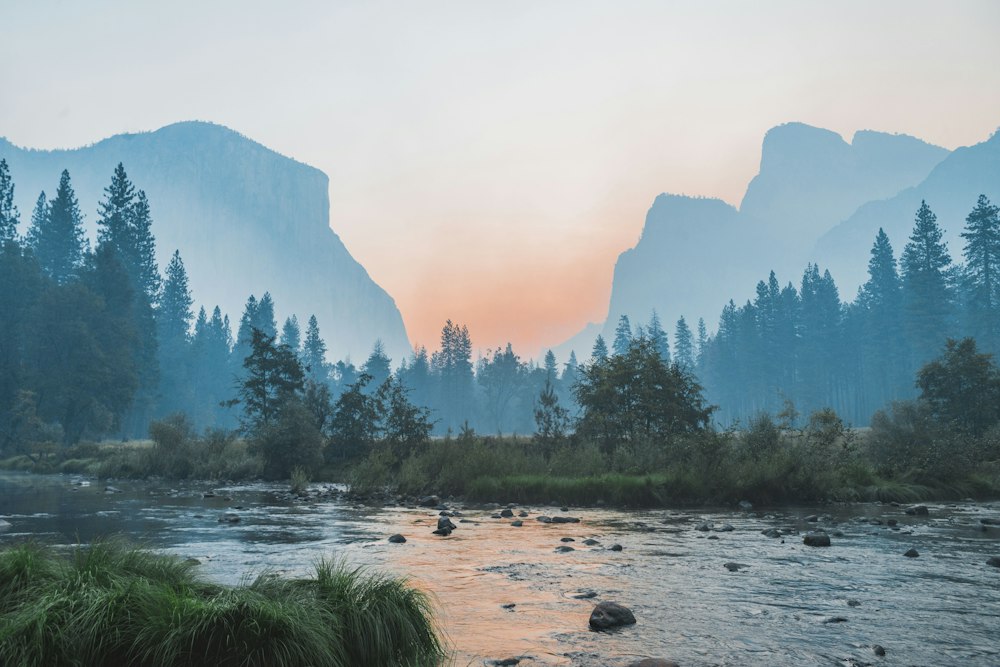
Step 1: Pitching on High Ground to Avoid Pooling
Your storm defenses begin long before the first rain clouds roll over the ridge line. Where you position your tent on the campsite landscape determines whether water drains harmlessly away or creates a stagnant lake beneath your sleeping floor.
Always choose elevated, gently sloping ground that sheds water naturally. Look closely at the forest floor for subtle micro-depressions, tire ruts, or dry creek channels. Dry sandy hollows and cracked mud patches are clear warnings that rainwater pools there during storms. Pitching on well-draining forest soil covered with fallen pine needles or fine gravel provides natural drainage.
- Never pitch your shelter in low gullies, at the base of steep hills, or underneath natural drainage channels.
- Fold your ground cloth or footprint two to three inches smaller than your tent floor perimeter on all sides.
- Ensure tent guylines are staked out tautly so rainfly fabric cannot sag and contact the inner breathable mesh.
- Inspect the tree canopy above for heavy dead branches that could snap under the weight of rainwater and wind.
Rainy Camping Essential Gear Guide
| Gear Item | Primary Purpose | Field Tip |
|---|---|---|
| 10×10 Overhead Tarp | Creates dry outdoor living & cooking room | Pitch with an angled ridgeline to shed water without pooling. |
| Silnylon Dry Bags | Protects sleeping bag and spare clothing | Double-bag your down sleeping bag inside a trash compactor bag. |
| Waterproof Pack Cover | Shields backpack fabric on the trail | Elastic edges must wrap completely under the bottom corners. |
| Synthetic Base Layers | Moisture management & core warmth | Never wear cotton denim or cotton socks; cotton retains dampness. |
| Microfiber Camp Towel | Wiping down tent walls and wet boots | Keep in the vestibule to wipe feet before stepping inside. |
Rigging an Overhead Camp Tarp Living Room
One of the most important strategies when discovering what to do if it rains while camping is setting up a separate dry community shelter away from your tent. Being trapped inside a small dome tent for eighteen hours quickly feels claustrophobic, especially if you have kids or campmates.
Hang a large waterproof tarp between trees over your picnic table or cooking zone before the rain begins. Rig a high central ridgeline using sturdy parachute cord, and tie the four corners downward at steep angles. The steep pitch allows rain to cascade away rapidly without collecting in heavy, sagging pools that can snap lines in the middle of dinner.
This overhead canopy gives your group a spacious, sheltered outdoor living room where you can cook warm meals, brew steaming coffee, play board games, and hang wet raincoats without bringing a single drop of moisture into your sleeping quarters.

The Wet-Gear Quarantine Protocol
Moisture inside a tent spreads like wildfire. Once a single wet sleeve or muddy boot touches your sleeping bag or dry mattress, capillary action pulls water through fabric rapidly. Establish a strict wet-gear quarantine protocol:
- The Vestibule Air-Lock: Never bring wet rain jackets, soggy hats, or muddy hiking boots inside the zippered inner tent canopy. Remove them in the covered porch vestibule outside.
- Wipe Down Before Entering: Keep a quick-drying microfiber camp towel right inside the door. Wipe down your hands, face, and wet lower pant legs before crawling inside onto clean tent rugs.
- Hang Wet Clothing on Tarp Lines: Never ball up wet rain gear inside stuff sacks. Hang wet jackets under your outdoor tarp canopy so moving air can begin the drying process.
- Never Cook Inside an Enclosed Tent: Never operate a propane camp stove or liquid fuel burner inside your enclosed tent body. Burning fuel produces deadly, odorless carbon monoxide gas and creates severe fire hazards with lightweight nylon fabric.
Staying Entertained and Positive in the Rain
Rainy camping days provide some of the best opportunities for genuine relaxation and unplugged connection with family and friends. When knowing what to do if it rains while camping, pack purposeful indoor camp entertainment:
- Bring a deck of waterproof playing cards, travel board games, or engaging paperback novels.
- Brew hot herbal teas, rich cocoa, or warm apple cider to keep everyone cozy and cheerful.
- Write in a travel journal or sketch the misty mountain landscape while listening to the storm drumming on the rainfly.
- Head out for a deliberate rain hike! Hiking in full waterproof gear with the forest mist wrapping around towering pines is a breathtaking, tranquil wilderness experience.
Frequently Asked Questions
Can I touch the inside of the tent walls during heavy rain?
In modern double-wall tents, you can touch the breathable inner mesh canopy safely. However, avoid touching the exterior coated rainfly fabric. Pressing the rainfly against the inner mesh breaks surface tension and allows moisture droplets to wick through onto your bedding.
What should I do if water starts seeping through the floor?
If water pools beneath your tent floor and begins seeping through pinhole seams, lay a spare waterproof space blanket or contractor trash bag directly on top of the tent floor underneath your sleeping pad. This creates an immediate dry barrier that stops moisture from reaching your mattress.
Post-Rain Campsite Care: Drying Gear After the Storm
When the storm finally passes and morning sunshine breaks through the pine trees, act quickly to restore your campsite to dry comfort:
- String Up Clotheslines: Tie a fifty-foot section of utility cord between two sunny trees. Hang wet rain jackets, damp socks, and moisture-laden tarps in the breeze to dry before packing.
- Air Out Tent Vestibules: Roll back the outer storm flaps and open all vestibule doors to let warm air circulate through your inner canopy, carrying away any lingering humidity.
- Never Pack Away Wet Tents Permanently: If you must pack a soaking wet tent to hike home, unpack it immediately upon arriving in your garage or yard. Spread it out completely until every seam and mesh panel is bone-dry to prevent mildew damage and bad odors.
Embrace the Storm and Enjoy the Adventure
A rainy day in the woods does not mean your camping trip is ruined. When you master what to do if it rains while camping, storms become an exciting part of the outdoor experience. By securing elevated campsite ground, hanging a spacious overhead tarp living room, and keeping your sleeping quarters strictly dry, you can relax in total warmth and comfort. Embrace the peaceful rhythm of the rain, savor hot meals under your tarp, and create unforgettable wilderness memories that last a lifetime!
For official park guidelines and wilderness safety bulletins, refer to the National Weather Service storm preparedness guidelines.