


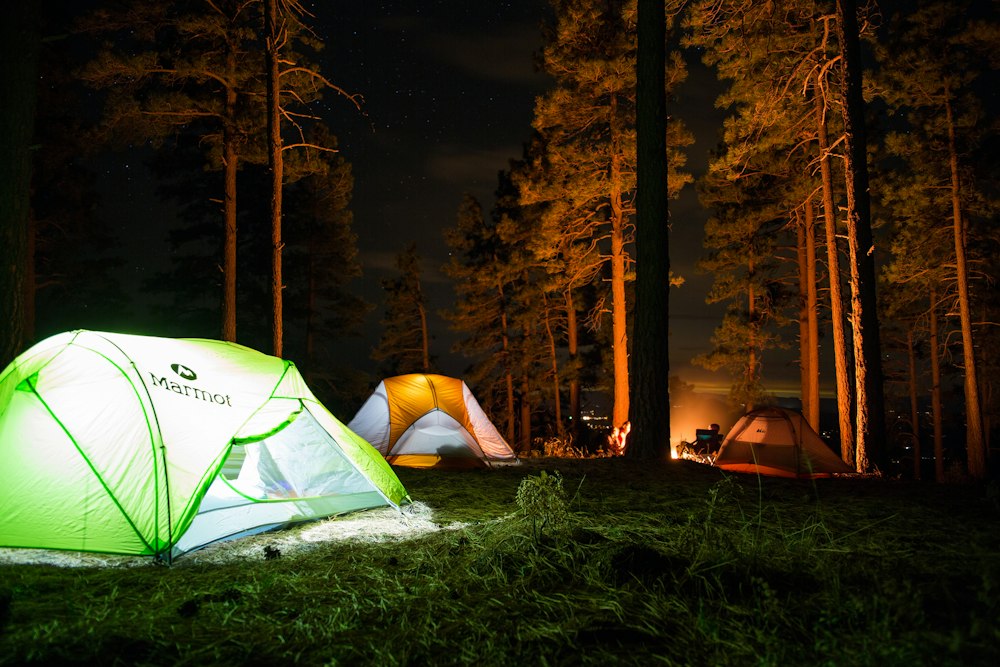
While personal headlamps are perfect for focused tasks like hiking trails or dicing food, nothing creates an inviting, communal campsite atmosphere quite like a warm portable lantern. A well-placed camp lantern casts 360-degree ambient illumination across your picnic table, lights up your tent ceiling like a home chandelier, and provides reassuring light for kids and friends relaxing under the stars. Today’s market is packed with diverse lighting options ranging from modern USB rechargeable power-bank lights and ultralight solar lanterns to classic pressurized propane mantles. Having the best portable camping lanterns reviewed 2025 in comprehensive detail helps you navigate lumens, battery longevity, and form factors to find the ideal lighting centerpiece for your outdoor trips.
The Evolution of Modern Outdoor Lanterns
Outdoor campsite illumination has progressed tremendously. Bulky liquid fuel lanterns that required fragile glass globes, pumping air pressure, and dangerous flammable fuel are now largely replaced by safe, highly efficient LED systems. Modern portable lanterns fall into three primary technology categories:
Rechargeable LED Power-Bank Lanterns: These versatile units pack high-capacity lithium batteries (often 5,000 to 10,000 mAh) that deliver up to one hundred hours of soft light on low settings. Many double as emergency power banks, allowing you to plug in your smartphone or GPS watch to recharge overnight.
Collapsible Solar Lanterns: Made from durable, waterproof TPU plastic or silicone, these inflatable lanterns compress flat to less than an inch thick. An integrated solar panel on top recharges the battery during sunny daytime drives, making them the top choice for weight-conscious campers.
Classic Propane Mantle Lanterns: Fueled by standard 16-ounce green propane cylinders, these gas lanterns deliver unrivaled brightness (up to 1,000 lumens) and soothing natural radiant warmth. However, they must only be operated outdoors due to carbon monoxide emissions.
Camping Lantern Comparison Guide 2025
| Lantern Category | Brightness Range | Battery Life (Low) | Key Strength |
|---|---|---|---|
| Rechargeable Power Bank | 300 – 800 Lumens | 40 to 100+ Hours | Charges phones; continuous dimming control. |
| Collapsible Solar | 75 – 150 Lumens | 24 to 50 Hours | Ultralight (4 oz); packs completely flat. |
| Propane Mantle | 800 – 1,200 Lumens | 7 to 12 Hours / tank | Massive light output; radiates physical heat. |
Crucial Features to Look for in a Quality Camp Lantern
When selecting the best portable camping lanterns reviewed 2025, consider these user-friendly features:
- Warm White Color Temperature: Harsh cool-white LEDs (6000K) feel sterile like an operating room. Look for warm-white LEDs (2700K to 3200K) or adjustable color temperatures that mimic cozy incandescent fireside glow.
- Integrated Hanging Hooks and Magnets: Built-in carabiner clips, folding top handles, and magnetic bases let you hang the light from tent gear loops, tree branches, or attach to car hatch doors.
- Smooth Stepless Dimming: Dial or long-press controls that let you adjust light output precisely from a faint nightlight glow up to full table brilliance.
- Candle Flicker Mode: A fun feature that gently pulses light output to simulate a flickering campfire flame for relaxed evening conversations.
Where to Position Lanterns Around Camp for Maximum Safety
Proper lantern placement keeps your campsite illuminated without drawing swarms of insects directly onto your dinner plates:
- The Perimeter Decoy Light: Hang a bright lantern fifteen to twenty feet away from your picnic table. Insects are naturally drawn to the brightest light source, keeping bugs away from your food.
- Elevated Table Light: Hang your primary table lantern from an overhead branch or camp pole rather than resting it flat on the table to eliminate dark shadows.
- Path and Tent Lighting: Keep a low-lumen lantern near your tent door to light the entryway and guide midnight trips to the restroom.
Creative Ways to Diffuse Camp Light Indoors
If your lantern casts a beam that feels too intense inside a compact two-person tent, simple everyday tricks soften light into a warm, relaxing ambient glow:
- The Milk Jug / Water Bottle Lantern: Strap a lightweight headlamp or small lantern around a translucent one-gallon water jug or Nalgene bottle with the light beam pointing inward. The water scatters the light rays, transforming a harsh beam into a 360-degree ambient room lamp.
- Bouncing Light Off Tent Ceilings: Point your lantern straight up at the pale nylon or polyester fabric of your inner tent ceiling. The reflective canopy bounces light downward softly, eliminating harsh shadows.
- Hanging from Gear Lofts: Most modern tents feature tiny fabric loops sewn into the peak seams. Use an ultralight micro-carabiner to suspend your lantern safely overhead.
Battery Safety and Cold Weather Performance
Lithium-ion lantern batteries lose efficiency when exposed to freezing overnight temperatures. When camping in chilly autumn or early spring weather, keep your rechargeable lantern inside your sleeping bag or an insulated tote until ready for use to protect battery longevity.
How to Select the Right Camping Lantern for Families
When camping with children or larger family groups, lighting needs differ significantly from solo backpacking trips. Consider these family-friendly priorities:
- Durable Drop-Resistant Construction: Kids frequently knock lanterns off picnic tables. Look for rubberized corner bumpers, polycarbonate globes, and shock-resistant silicone casings.
- Multiple Low-Intensity Nightlight Modes: A subtle amber or warm red nightlight setting provides comforting reassurance for young children sleeping in a dark tent without disturbing adults.
- Dual Power Capability: Having both a rechargeable internal battery and the ability to insert standard AA or D-cell alkaline batteries ensures your camp never goes dark during week-long family trips without electricity.
When using lanterns in buggy summer conditions, keep them elevated above table height. Setting a secondary decoy lantern fifteen paces away from your picnic area draws flying insects safely away from your dinner.
Remember to turn off power bank charging ports before sleeping to preserve maximum lighting runtime throughout the night.
Taking a few moments before your trip to review your gear checklist and test all equipment in your backyard eliminates unexpected surprises. When your essentials are organized and ready, you can immerse yourself fully in the peaceful beauty and adventure of the great outdoors.
Frequently Asked Questions
Can I use a propane lantern inside my sleeping tent?
Never operate a gas or propane lantern inside an enclosed tent, cabin, or vehicle. Burning fuel consumes oxygen and produces toxic carbon monoxide gas. Use only battery-powered LED lanterns indoors.
How long do solar lanterns take to charge in sunlight?
Most compact solar lanterns fully charge in seven to ten hours of direct, unfiltered sunlight. On cloudy days, solar charging is slower, so top them up via USB before leaving home.
Brighten Your Camp with Warm Wilderness Glow
Reviewing the best portable camping lanterns reviewed 2025 gives you the insights to choose an efficient, versatile light source for your outdoor lifestyle. Whether you prefer an ultralight solar collapsible lantern for backcountry simplicity or a high-capacity rechargeable power bank for state park cookouts, the right lantern turns dark evenings into cozy, memorable wilderness gatherings. Pick your lantern, gather around the camp table, and enjoy cheerful light under the open night sky!
For official park guidelines and wilderness safety bulletins, refer to the Forest Service campground safety regulations.