

Preparing for your very first camping trip is an exciting milestone, but packing can quickly feel overwhelming. As you stare at open storage bins and duffel bags, questions naturally arise: What gear is truly essential? What items are unnecessary luxuries? And most importantly, what critical supplies might you leave behind by accident? Arriving at a remote state park campsite at dusk only to realize you forgot tent stakes or a can opener can turn an anticipated weekend getaway into an uncomfortable ordeal. Having a comprehensive camping checklist for first time campers organized by functional camp zones removes the guesswork and ensures complete peace of mind. Here is your definitive, field-tested packing checklist to help you stay comfortable, warm, and thoroughly prepared.
Zone 1: Shelter and Sleep System Essentials
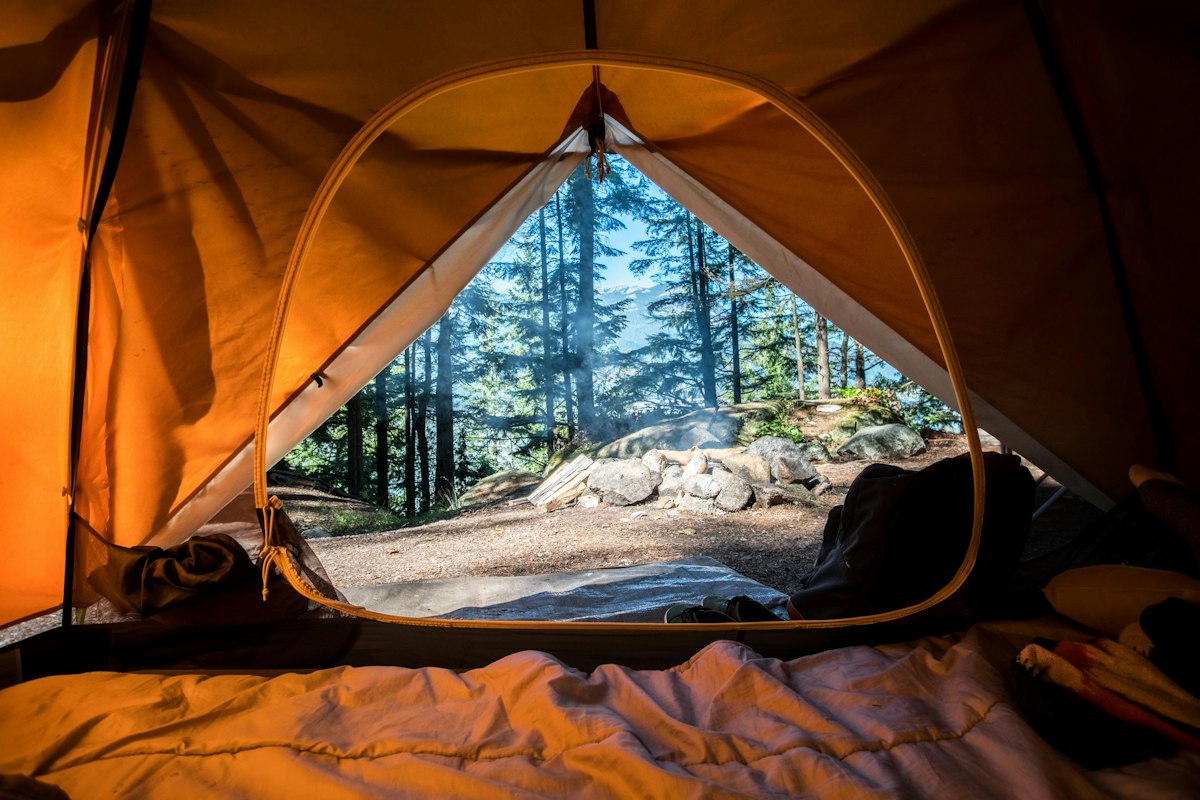
Your shelter and sleep system are the foundation of your outdoor experience. When nighttime temperatures dip and evening breezes rustle through the trees, your tent and sleeping gear provide warmth, protection, and restorative rest. Never skimp on quality ground insulation when planning your shelter:
- Tent with Full Rainfly: Choose a freestanding dome tent rated for one more person than your group size (a 3-person tent for two campers) to allow extra room for duffel bags.
- Ground Footprint or Heavy-Duty Tarp: Place beneath your tent floor to block rising ground moisture and protect nylon fabric from sharp stones.
- Tent Stakes and Rubber Mallet: Pack four extra heavy-duty steel or aluminum stakes in case original stakes bend in rocky soil.
- Sleeping Bag Matched to Weather: Select a sleeping bag rated ten to fifteen degrees colder than the lowest anticipated nighttime low.
- Insulated Sleeping Pad (R-Value 3.0+): Essential for preventing the cold ground from conducting body heat away during sleep.
- Camp Pillow: An inflatable travel pillow or soft home pillow ensures restful neck support.
Essential First-Time Camping Gear Checklist
| Camp Category | Must-Have Items | Helpful Extras |
|---|---|---|
| Shelter & Bedding | Tent, rainfly, stakes, sleeping bag, insulated pad. | Tent footprint, entry welcome mat, fleece throw blanket. |
| Camp Kitchen | Stove, fuel, matches/lighter, cook pot, cooler, camp cups/plates. | Cast iron skillet, foil wrap, silicone scraper, spice kit. |
| Lighting & Power | LED headlamp per person, spare batteries, camp lantern. | Solar string lights, portable USB battery power bank. |
| Safety & Health | First-aid kit, insect repellent, sunscreen, pocket knife. | Bear spray, blister moleskin, multi-tool, duct tape. |
Zone 2: Camp Kitchen and Food Preparation
Cooking outdoors is one of the most rewarding aspects of wilderness living. To keep meals simple and cleanup fast, pack kitchen gear in a dedicated clear plastic storage tote:
Cooking Hardware: A two-burner propane camp stove or compact backpacking burner, matching fuel canisters, long-reach utility lighter, and waterproof matches in a sealed bag.
Cookware and Utensils: One medium non-stick pot with a lid, a 10-inch skillet, a wooden stirring spoon, a heat-resistant spatula, metal tongs for handling grill grates, a sharp prep knife with a protective sheath, and a compact cutting board.
Dining Supplies: One durable plate, bowl, camp mug, and fork/spoon combo per camper. Avoid flimsy disposable single-use plastics that blow away in gusts.
Cleanup Station: Biodegradable unscented dish soap, a double-sided sponge, a quick-dry microfiber dish towel, a wash basin, and a box of heavy-duty trash contractor bags.
Zone 3: Lighting, Tools, and Campsite Comfort
When the sun dips below the horizon, natural darkness in the forest is absolute. Having proper illumination tools is critical when implementing your camping checklist for first time campers:
- Headlamps with Red-Light Mode: Hands-free lighting makes cooking dinner, reading maps, and late-night bathroom trips easy. Red-light preserves nighttime peripheral vision without blinding fellow campers.
- Collapsible Camp Chairs: Comfortable outdoor chairs with supportive backrests turn campfire relaxation into pure leisure.
- Compact Folding Camp Table: Invaluable if your campsite lacks a standard wooden park picnic table.
- Duct Tape and Paracord (50 feet): Fixes snapped tent poles, repairs ripped fabric, and serves as an elevated clothesline for drying wet towels.
Zone 4: Clothing and Personal Hygiene
Outdoor weather fluctuates rapidly between sunny afternoons and chilly nights. The secret to comfortable camping attire is layering synthetics and wool:
- Moisture-Wicking Base Layer: Polyester or merino wool tops and bottoms that keep skin dry from perspiration. Never wear cotton denim or cotton underwear, as cotton absorbs dampness and chills the body.
- Insulating Mid-Layer: A warm fleece jacket or lightweight packable synthetic puffy coat.
- Weatherproof Outer Shell: A breathable, waterproof rain jacket with taped seams to block wind and downpours.
- Dedicated Bedtime Sleepwear: A clean, bone-dry set of base layers and wool socks stored inside a sealed plastic bag, reserved solely for sleeping.
- Personal Toiletries: Biodegradable soap, toothpaste, toothbrush, fast-drying camp towel, hand sanitizer, and toilet paper stored in a waterproof zip pouch.
Smart Packing Strategies: How to Organize Your Vehicle
How you load your camping bins into your car trunk directly affects your arrival stress. When arriving at camp at dusk, the last thing you want is having your tent buried underneath heavy coolers and food boxes. Follow the Last-In, First-Out loading rule:
- Pack Heavy Kitchen Totes Deep: Place heavy cast iron pans, canned food, and bulky camp stoves on the floor of your trunk against the rear seats.
- Keep Shelter Gear Accessible: Position your tent, footprint, stakes, and rubber mallet right at the rear hatch so you can begin pitching your shelter immediately upon arrival.
- Daypack with Rain Gear and Headlamps: Keep a small backpack containing rain jackets, headlamps, and water bottles in the passenger cabin where you can grab them without opening the packed trunk.
Essential First-Aid Kit Contents for Campers
Every camping group should carry a compact wilderness first-aid kit stored in a bright red, waterproof pouch. Essential supplies include adhesive bandages of various sizes, sterile gauze pads, medical adhesive tape, antiseptic wound wipes, blister moleskin, tweezers for splinter removal, elastic compression wraps, and over-the-counter soothing insect bite cream.
Frequently Asked Questions
How much drinking water should I bring per person?
As a baseline outdoor guideline, pack at least one gallon of potable water per person per day for drinking, cooking, and basic tooth brushing. In hot summer weather or when hiking, increase this to 1.5 gallons.
What type of cooler should beginners buy?
You do not need an expensive rotational-molded expedition cooler for weekend trips. A standard 45-to-50-quart hard-sided cooler packed with block ice (which melts far slower than cubed ice) easily keeps perishables chilled for two to three days.
Pack with Confidence and Enjoy the Outdoors
Consulting a thorough camping checklist for first time campers ensures you never arrive in the woods missing critical tools or supplies. By organizing your gear into functional shelter, kitchen, lighting, and clothing zones, you transform pre-trip packing into a smooth, stress-free routine. Check off your items, pack your vehicle, and set off into nature for an unforgettable wilderness adventure!
For official park guidelines and wilderness safety bulletins, refer to the National Park trip preparation checklists.