
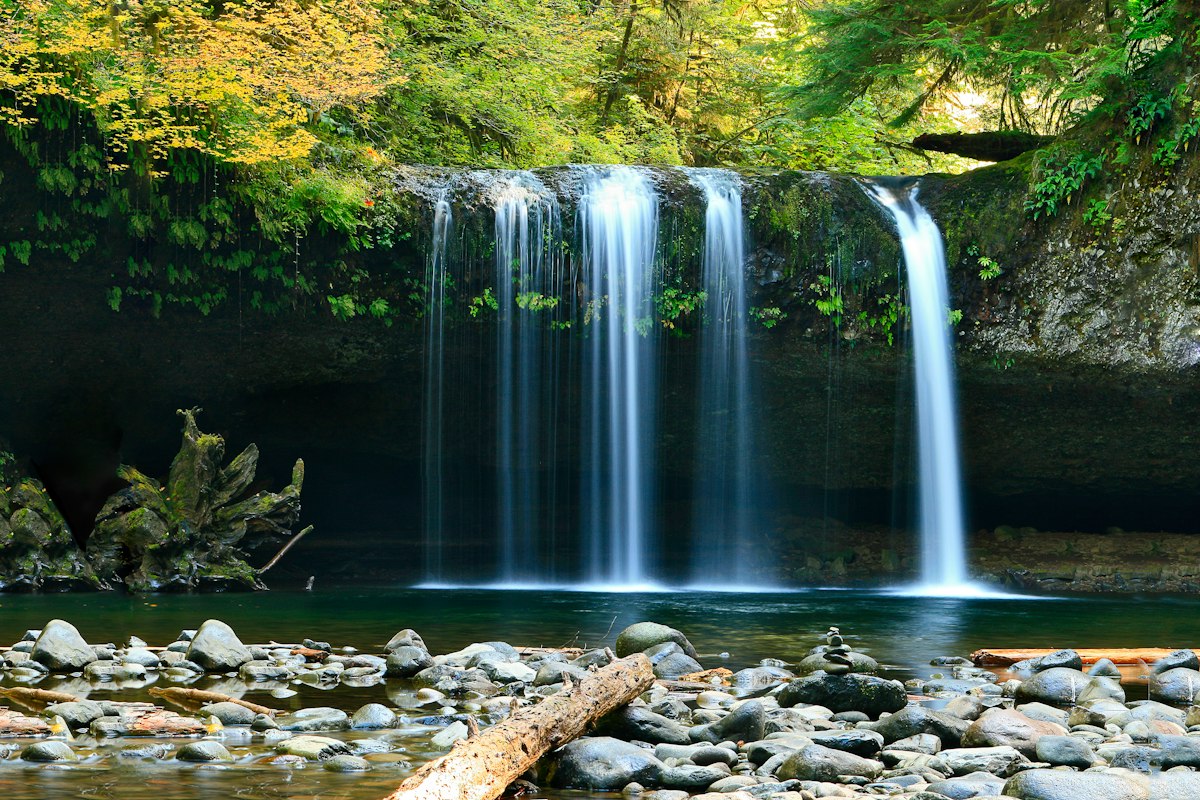
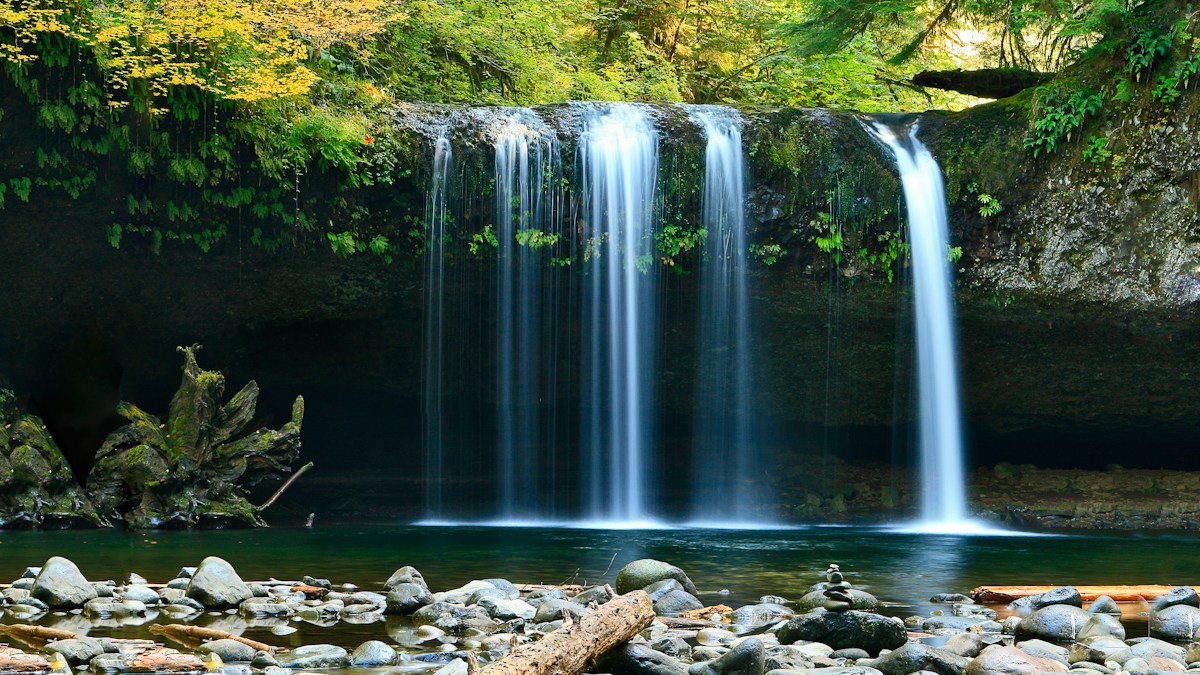
Few sights in nature are as inviting as a crystal-clear mountain stream cascading over smooth granite rocks. After hiking several miles under the midday sun, the temptation to kneel down and take a refreshing drink straight from the bubbling current can be immense. However, even the purest-looking wilderness stream can harbor microscopic parasites, bacteria, and cysts carried by wildlife upstream. Drinking untreated surface water can quickly result in severe stomach illness, vomiting, and dehydration, ruining an otherwise wonderful trip. Learning how to purify water when camping in nature is an indispensable outdoor safety skill that ensures you always have clean, safe hydration wherever you explore. Here is your comprehensive guide to wilderness water treatment methods and field-tested purification techniques.
Understanding Wilderness Water Contaminants
To choose the right treatment method, you must understand what microscopic organisms might be living in natural water sources. Wilderness pathogens generally fall into three distinct biological categories:
Protozoa (Cysts): Organisms such as Giardia lamblia and Cryptosporidium are relatively large microscopic parasites measuring between one and fifteen microns. They are encased in a tough outer shell that makes them exceptionally resistant to chlorine chemicals. These parasites cause common backcountry digestive illnesses known colloquially as beaver fever.
Bacteria: Bacteria such as Escherichia coli, Salmonella, and Campylobacter measure between 0.2 and two microns. They are commonly introduced into water sources through animal waste and agricultural runoff. Fortunately, modern outdoor microfilters with 0.1-micron pores easily screen them out.
Viruses: Viruses like Norovirus, Rotavirus, and Hepatitis A are minuscule organisms measuring between 0.02 and 0.2 microns. In North American and European backcountry waterways, viral contamination is rare because viruses require human hosts. However, if you are traveling internationally, camping in densely populated areas, or filtering water near agricultural runoff, complete viral purification is required.
Wilderness Water Treatment Methods Compared
| Treatment Method | Speed & Convenience | Effective Against | Primary Limitations |
|---|---|---|---|
| Boiling Over Stove | Slow (takes time to cool) | Protozoa, Bacteria, Viruses (100%) | Consumes stove fuel; water is boiling hot. |
| Hollow-Fiber Squeeze Filter | Instant (drink immediately) | Protozoa and Bacteria (99.999%) | Does not remove viruses; damaged by freezing. |
| UV Light Purifier | Fast (90 seconds per liter) | Protozoa, Bacteria, Viruses (99.9%) | Requires clear water; relies on batteries. |
| Chlorine Dioxide Tablets | Lightweight, 15m to 4 hrs wait | Protozoa, Bacteria, Viruses | Requires waiting period; leaves mild taste. |
Method 1: The Gold Standard of Boiling
When discovering how to purify water when camping in nature, boiling remains the most dependable, foolproof method in existence. Heat destroys all microorganisms, pathogens, and viruses regardless of water clarity.
Bring clear water to a vigorous, rolling boil for a full sixty seconds (one full minute). If you are camping at high altitudes above 6,500 feet where water boils at a lower temperature due to reduced atmospheric pressure, maintain the rolling boil for three full minutes. Once boiled, allow the water to cool naturally before pouring it into your drinking bottles.
Method 2: Hollow-Fiber Microfilters and Squeeze Systems
Hollow-fiber microfilters (such as the Sawyer Squeeze or Katadyn BeFree) are the most popular filtration tools among hikers and backpackers today. These compact devices contain thousands of microscopic hollow straw-like tubes with 0.1-micron pores. As you squeeze dirty water through the cartridge, clean water flows out while bacteria and protozoa are physically trapped outside.
Using a squeeze filter is exceptionally simple: scoop raw water into the flexible collection pouch, thread the filter cartridge onto the top opening, and squeeze clean water directly into your clean canteen or mouth. There is zero waiting time, zero chemical aftertaste, and the unit weighs less than three ounces.
Method 3: Ultraviolet (UV) Light Purification
Handheld ultraviolet purification devices (such as the SteriPEN) offer rapid, chemical-free purification. UV rays scramble the DNA of microorganisms within ninety seconds, preventing them from reproducing or causing illness in human digestive systems.
To use UV light, submerge the optical quartz wand into a liter of water and stir continuously until the device’s timer turns green. Keep in mind that UV light requires clear water to work effectively; suspended sediment, tannin tea color, or murky mud blocks UV rays from reaching microbes.
Field Pre-Filtering for Cloudy and Silty Water
Filtering silty glacier runoff or murky stream water directly through a microfilter will quickly clog its fine pores. If your water source contains floating sand, pine needles, or mud, perform simple pre-filtration before purifying:
- The Bandanna Screen: Stretch a clean cotton bandanna, coffee filter, or camp towel over the wide mouth of your collection bottle to strain out floating debris.
- The Settling Trick: Scoop cloudy water into a wide pot or bucket and let it sit undisturbed for thirty to forty-five minutes. Suspended sand and silt naturally settle to the bottom. Carefully decant the crystal-clear top layer into your filter.
- Backwash Regularly: Carry the small cleaning plunger syringe that came with your filter. Backwash clean water backward through the filter every evening to purge trapped particles and maintain fast flow rates.
Frequently Asked Questions
Can a backpacking water filter freeze in cold weather?
Yes! If wet hollow-fiber filter pores freeze overnight, residual water inside expands and ruptures the internal microscopic tubes, ruining the filter silently. In freezing temperatures, sleep with your water filter inside your sleeping bag to keep it above thirty-two degrees.
Do carbon filters remove toxic chemicals and heavy metals?
Standard hollow-fiber filters do not remove heavy metals, pesticides, or dissolved chemical pollutants. Always collect water far away from industrial areas, mines, and agricultural runoff ditches.
Proper Field Hygiene Around Wilderness Water Sources
Water purification is only effective if you practice strict camp hygiene to prevent accidental cross-contamination. Follow these critical health precautions on every outdoor trip:
- Clean Your Hands Before Handling Nozzles: Never touch the clean drinking nozzle of your water filter or canteen with unwashed hands that recently handled raw stream water or trail soil. Wash hands with biodegradable camp soap or alcohol hand sanitizer first.
- Mark Clean vs. Dirty Bottles: Use colored tape or permanent marker to clearly designate your raw water collection bag from your clean drinking canteen. Mixing up containers can inadvertently reintroduce pathogens into your purified water.
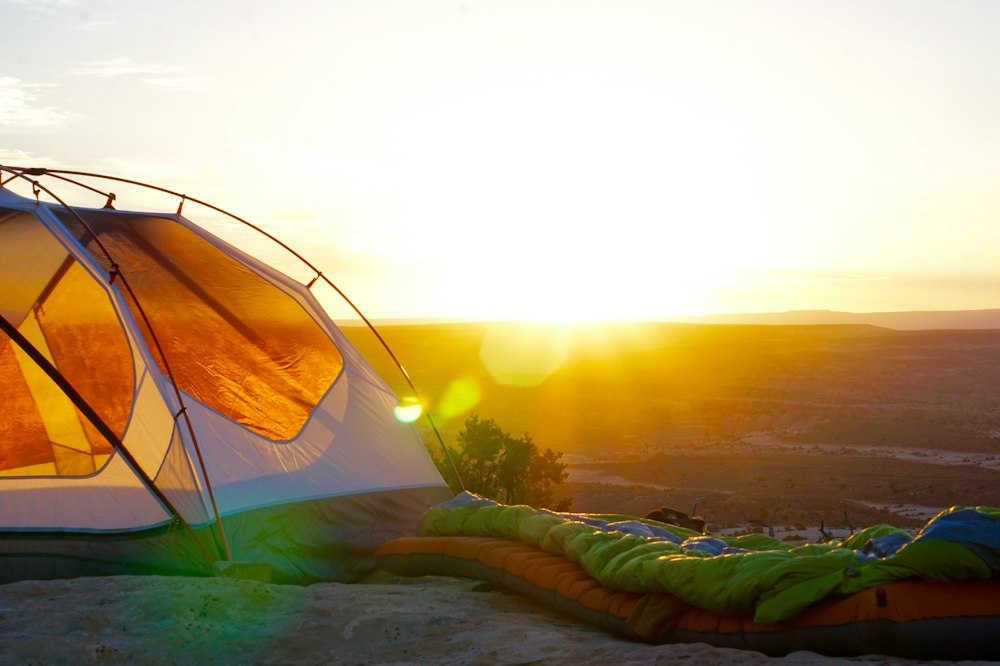
- Camp 200 Feet Away from Water Sources: Always pitch your tent and dispose of human waste at least two hundred feet (seventy adult paces) away from all lakes, streams, and springs to preserve clean wilderness water quality for everyone.
Stay Hydrated and Healthy on the Trail
Mastering how to purify water when camping in nature gives you complete outdoor independence and ensures your health remains protected on every wilderness trek. Whether you choose a rapid squeeze microfilter, simple boiling over a campfire, or portable UV purification, having clean water on demand lets you explore remote lakes and high peaks with absolute peace of mind. Pack your purification gear, scout clean flowing streams, and drink deeply of nature’s crisp mountain waters!
For official park guidelines and wilderness safety bulletins, refer to the CDC backcountry water disinfection recommendations.