

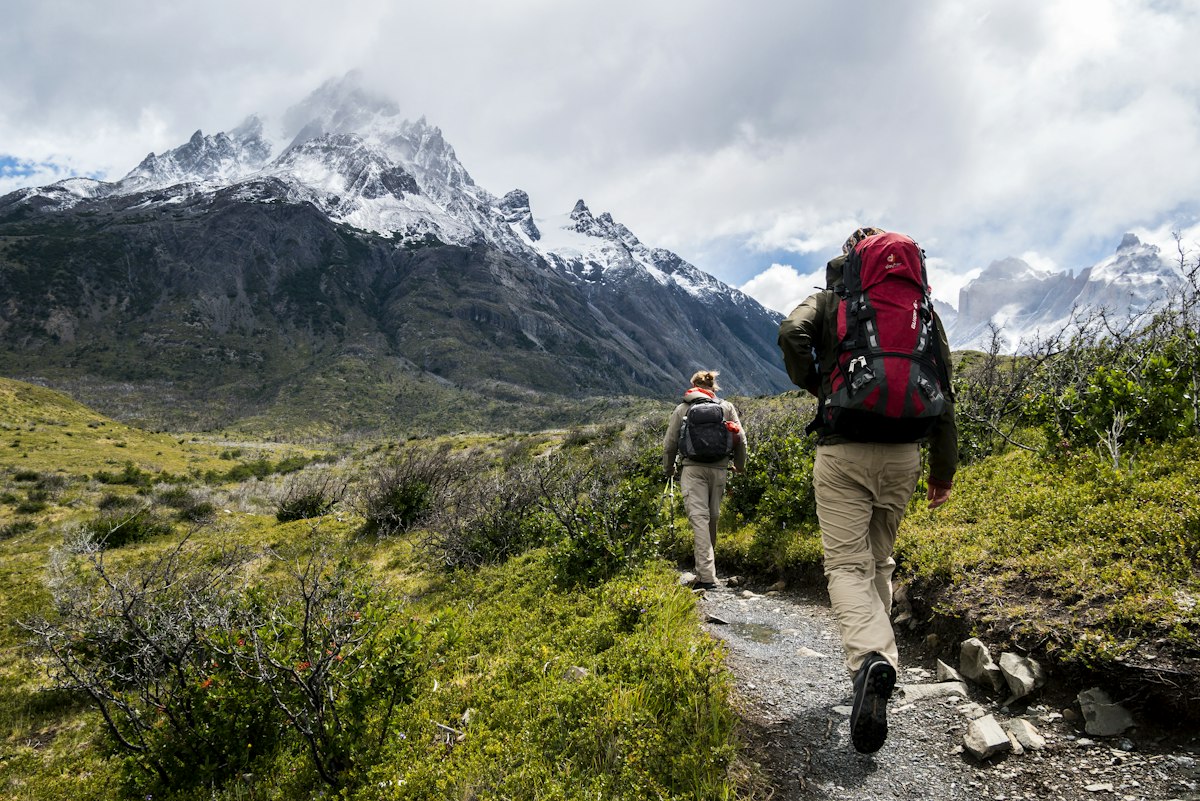
Every unforgettable outdoor adventure begins from the ground up. Whether you are walking through quiet forest trails, ascending rocky mountain ridges, or spending a weekend exploring local state parks, your footwear is the single most critical piece of gear you will wear. An ill-fitting pair of boots can quickly lead to painful blisters, bruised toenails, and aching arches, turning an exciting wilderness hike into a painful struggle. Knowing how to choose the right hiking boots for beginners is not about grabbing the most expensive pair off the shelf; it is about matching your footwear to trail terrain, pack weight, and your individual foot anatomy. Here is your comprehensive guide to selecting boots that deliver all-day comfort and stability.

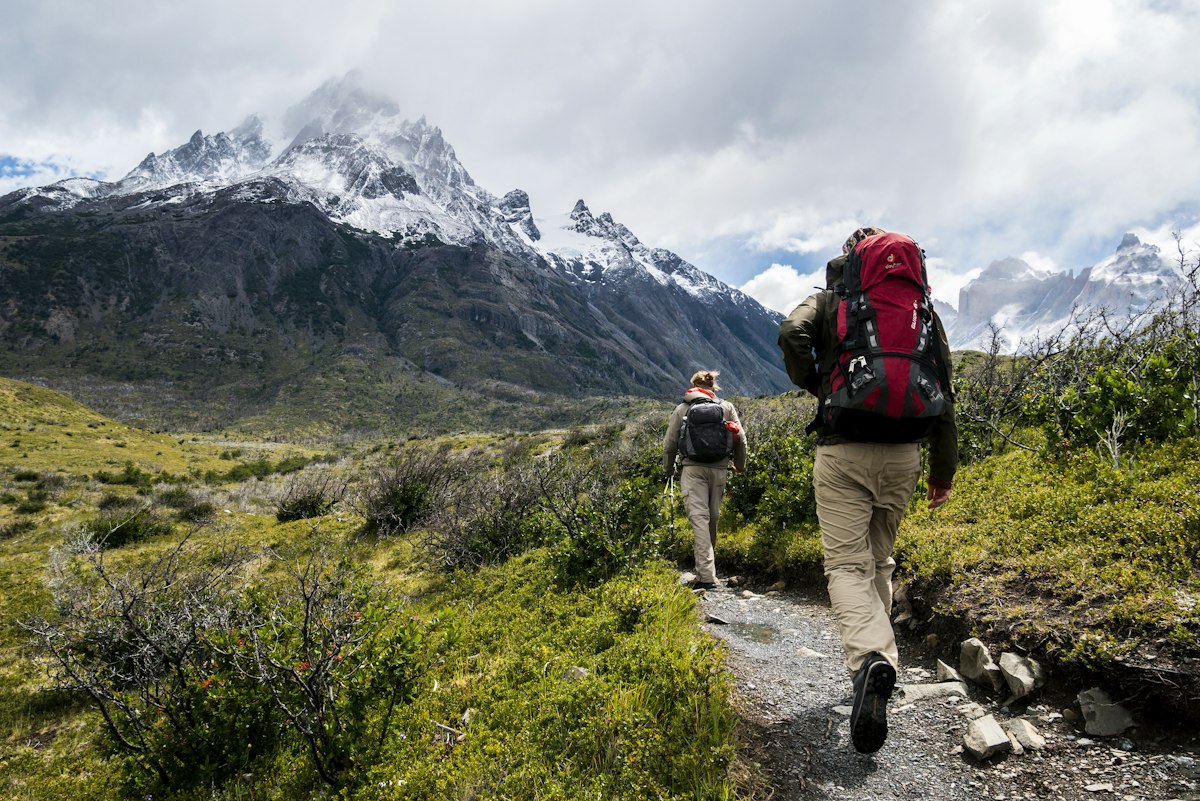
The Three Main Categories of Hiking Footwear
Outdoor footwear has evolved dramatically over the past decade. Beginners are no longer limited to heavy, rigid leather boots. Today’s outdoor footwear falls into three primary categories, each tailored to specific hiking styles and conditions:
Trail Running Shoes: These are low-cut, flexible shoes designed with aggressive rubber outsoles. They are exceptionally lightweight, dry rapidly when wet, and require zero break-in period. Trail runners are ideal for beginners sticking to well-maintained paths, smooth dirt trails, and light day hiking with a small pack under fifteen pounds.
Mid-Cut Hiking Boots: Rising just above the ankle bone, mid-cut boots offer the perfect compromise between lightweight flexibility and structural ankle support. They feature reinforced toe caps, cushioned midsoles, and waterproof membrane linings. These boots are the top recommendation for most beginners tackling uneven terrain, rocky paths, and carrying packs between twenty and thirty-five pounds.
Backpacking Boots: These are high-cut, rugged boots made with full-grain leather and stiff internal shanks. They provide maximum lateral ankle stiffness and underfoot protection when trekking off-trail or carrying heavy packs over forty pounds for multiple days in remote wilderness.
Hiking Footwear Comparison Guide
| Footwear Type | Weight Profile | Best Trail Conditions | Break-In Period |
|---|---|---|---|
| Trail Runners | Ultralight (20-28 oz) | Groomed trails, summer day hikes, fast packing. | Immediate / None |
| Mid Hiking Boots | Medium (32-44 oz) | Rocky paths, state parks, weekend camping trips. | 1 to 2 short walks |
| Heavy Backpacking Boots | Heavy (48-60 oz) | Off-trail scree, snow, expeditions with heavy loads. | 2 to 4 weeks |
Key Sizing Factors: Finding Your Exact Fit
When discovering how to choose the right hiking boots for beginners, sizing is far more critical than brand names or styling colors. A hiking boot should fit snugly everywhere, feel tight nowhere, and provide ample room for your toes to wiggle freely.
The Thumb Width Test: Unlace the boot and slide your foot forward until your longest toe touches the front toe box. Slide your index finger down behind your heel. There should be approximately one finger width of space between your heel and the boot collar. This extra room ensures your toes will not slam into the front of the boot when descending steep downhill trails.
Heel Lock: When you lace up the boot completely and stand on an inclined ramp, your heel should remain firmly locked in the heel cup. If your heel lifts more than a quarter inch with each step, the boot is too loose, which creates friction and causes painful heel blisters.
Pair With Merino Wool Socks: Never try on hiking boots with thin cotton dress socks. Cotton absorbs moisture and holds dampness against your skin. Wear medium-cushion merino wool hiking socks during your fitting to guarantee an accurate, comfortable match.


Waterproof Membrane vs. Breathable Mesh
Beginners often assume every hiking boot should feature a waterproof membrane like Gore-Tex. While waterproof boots are invaluable when trekking through wet grass, muddy autumn trails, and snow, they have trade-offs. Waterproof membranes restrict ventilation in hot summer climates, making feet sweat heavily. Furthermore, if water splashes over the ankle collar during a deep stream crossing, a waterproof boot retains that water like a bucket and takes days to dry.
If you hike primarily during warm summer months or in desert regions, choose non-waterproof mesh boots. They allow breeze to circulate constantly, keep feet cool, and dry within an hour of getting wet.
Breaking In Your Boots Before Hitting the Trail
Never take a brand-new pair of boots straight out of the box and head out on an eight-mile mountain hike. Even modern synthetic boots require a brief break-in period to allow the collar foam and midsole to mold to the contours of your feet:
- Wear Them Around the House: Wear your boots and hiking socks indoors for several hours over two or three days to confirm there are no uncomfortable pressure points.
- Walk Around the Neighborhood: Take two or three one-mile walks around your neighborhood on paved sidewalks and gentle hills.
- Carry a Light Daypack: Take a short two-mile walk at a local park while wearing your weighted daypack to test stability and heel lock under real load.
Frequently Asked Questions
Should I buy hiking boots one size larger than my normal shoe size?
Most experienced hikers recommend sizing up by half a size compared to your everyday casual shoes. This accommodates natural foot swelling during long hikes and prevents your toes from jamming against the front during steep downhill descents.
How long do hiking boots typically last?
High-quality hiking boots generally last between 500 and 1,000 miles, depending on trail terrain and care. Inspect your outsoles regularly; once the rubber lugs wear flat or the midsole foam loses its bounce, it is time for a replacement.
Advanced Lacing Techniques for Trail Comfort
The way you tie your hiking boots can solve common foot discomforts without needing to purchase an entirely new pair of shoes. Traditional crisscross lacing works for casual strolls, but technical lacing patterns give you custom tension control:
- The Surgeon’s Knot (Eliminates Heel Slippage): If your heel moves up and down when climbing steep hills, tie two wraps around each other (a surgeon’s knot) right at the ankle bend before hooking the upper eyelets. This locks the lower laces snugly across your instep while allowing freedom around your ankle cuff.
- Window Lacing (Relieves Top-of-Foot Pressure): If you feel a painful pinch across the high point of your foot arch, unlace the boots to the pressure point. Thread the laces vertically up through the next eyelet without crossing over, creating an open window. Then resume crisscross lacing above. This relieves top-of-foot pressure while maintaining secure lateral stability.
- Toe Relief Lacing: For hikers with wide forefeet or painful bunions, completely skip the very first bottom set of eyelets near your toes. Starting the lace pattern on the second set of eyelets frees up ample space for wide toes to splay comfortably.
How to Clean and Care for Hiking Boots After Muddy Treks
Mud, grit, and trail dust can degrade leather stitching and clog breathable membrane pores if left to dry on footwear. After returning home from a muddy hike, remove the insoles and unlace the boots completely. Use a stiff nylon brush and lukewarm water to scrub dried mud from the outsoles and upper fabric. Allow boots to dry naturally at room temperature in a well-ventilated room. Never place hiking boots directly in front of campfires or hot radiators, as extreme direct heat cracks leather and melts sole adhesives.
Step onto the Trails with Confidence
Investing the time to understand how to choose the right hiking boots for beginners pays dividends on every single trail you hike. When your boots provide solid traction, stable ankle support, and blister-free comfort, you can focus on breathtaking panoramic views, fresh pine air, and the joyful freedom of nature. Select the right footwear for your hiking goals, break them in gently, and step forward into your next wilderness journey!
For official park guidelines and wilderness safety bulletins, refer to the NPS trail safety and footwear guidance.